FREE SPIRIT
Explore the outskirts
My journey in Mexico City to the top of the mountain
Embrace danger
The border of Jericho
Water is magnetic
Peace corps – lake bangwelu
Elevate your body
Health is wealth
Set your circadian rhythm
Just follow the light and the sunlight
Body is battery sun is charger
More power under the sun
Don’t confine yourself to a box
When I’m inside, my soul slowly dies, but when I’m outside I thrive, as I move my physical body, I exist outside the passage of time 
The art to walking
Walking barefoot
Vibram five finger elx
Strengthen your feet, legs, and posture
Longevity
Durability is an issue
Shoes are like condoms, you don’t feel the sensation 
We came into the world without shoes, let’s leave without shoes,
Penn treaty Park 
The hand of William penn on city hall faces the north east towards the park
Running rattles your bones
Alcoholism?
Leg injuries / knee
Burning calories is a scam
Fasting get you closer to God 
Eat satiating foods
One meal a day
19 months 100% carnivore diet
Keep the doctor away
Abundance of power
Fat and protein
Life hack
Upgrade your life
Become the strongest and most beautiful version of yourself
Once you start eating red meat, you realize that a lot of the things that you work for, where we work these jobs that we hate, above is shit we don’t need, buying food we don’t need,
The food pyramid
Eat meat sparingly?
Processed food keeps people addicted
Kellogs, General Mills, Coca Cola
Slave consumer
Eat food that fills your belly
Become more critical and skeptical,
Just look in a grocery store. Most of it isn’t real food
Real food is flesh
Fasting in the mosque during Ramadan
The day of sacrifice  
Fasting is spiritual
Feast as a community
Old Testament in genesis
Created in his image
Remove toxins
Reveal your soul
Subtraction of superfluous
The soul is your body
We are a skin suit, a bag of bones 
When you look at somebody, you can see their soul
Follow the light 
the light is the truth
Stay under the sun
Tan skin is more beautiful
Unshackle yourself 
Modern life keeps us inside in boxes
Sunglasses trick our bodies to think that we’re still inside 
Why do we find comfort in the cave in the shadows and darkness? 
Design your life to stay maximally outdoors
You’re not getting me to stay inside, to sit down, and take orders
Thrive on your own
Find what works best for you
The pursuit of a career?
Work until you’re 65, retire, and then you have another 10 years of life to live? And be free? Sounds like a bad deal to me… Modern slavery?
Working outdoors is a better option
You couldn’t pay me $1 million at least a year to sit on my ass in the Comcast tower, operating a computer, from 9 to 5
You can’t even catch the sunrise or sunset…
Sitting down for the entirety of the day?
Design your life to only sit down when you go to bed or eat
The house is a bunker
Are we still stuck in the desert?
Enslaved by Egypt, still searching for paradise?
Find your own way out of Egypt
Freedom is a mindset 
Freedom is to be playful, to be like a child, but also dangerous like a lion
To be as to be like a bird flying in the sky, without any care in the world
Naïveté
Optimism
Courageous in flight
Dancing, fluttering like a bird
Elevate your physical body. You will feel more free like a bird
Find a Panopticon view of the world, the city, your town 360 degrees
Conquer the day
Treat life like a video game 
Consider Skyrim where you start off on your journey, loading the game, designing your character when you’re naked. You select your facial features, height, size, etc.
Strip down to this naked state
Remove your shirt and your shoes
Tony Hawks pro skater on the PlayStation
your character develops overtime from acquiring stat points and assigning them to your skater
Assign the proper stop points. I always chose to max out speed and air right away because I knew that it would allow me to advance in the game further, at a much faster rate. 
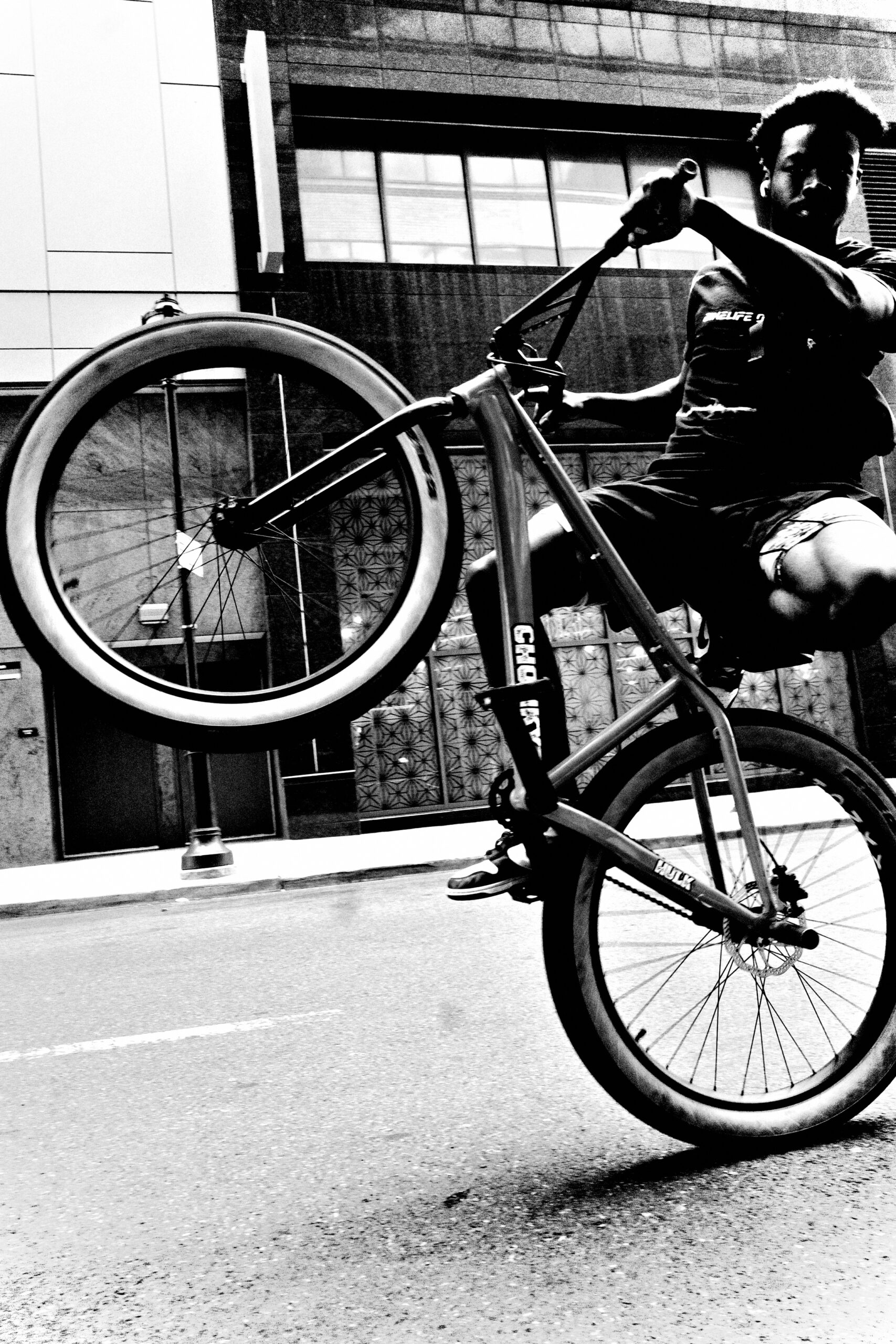
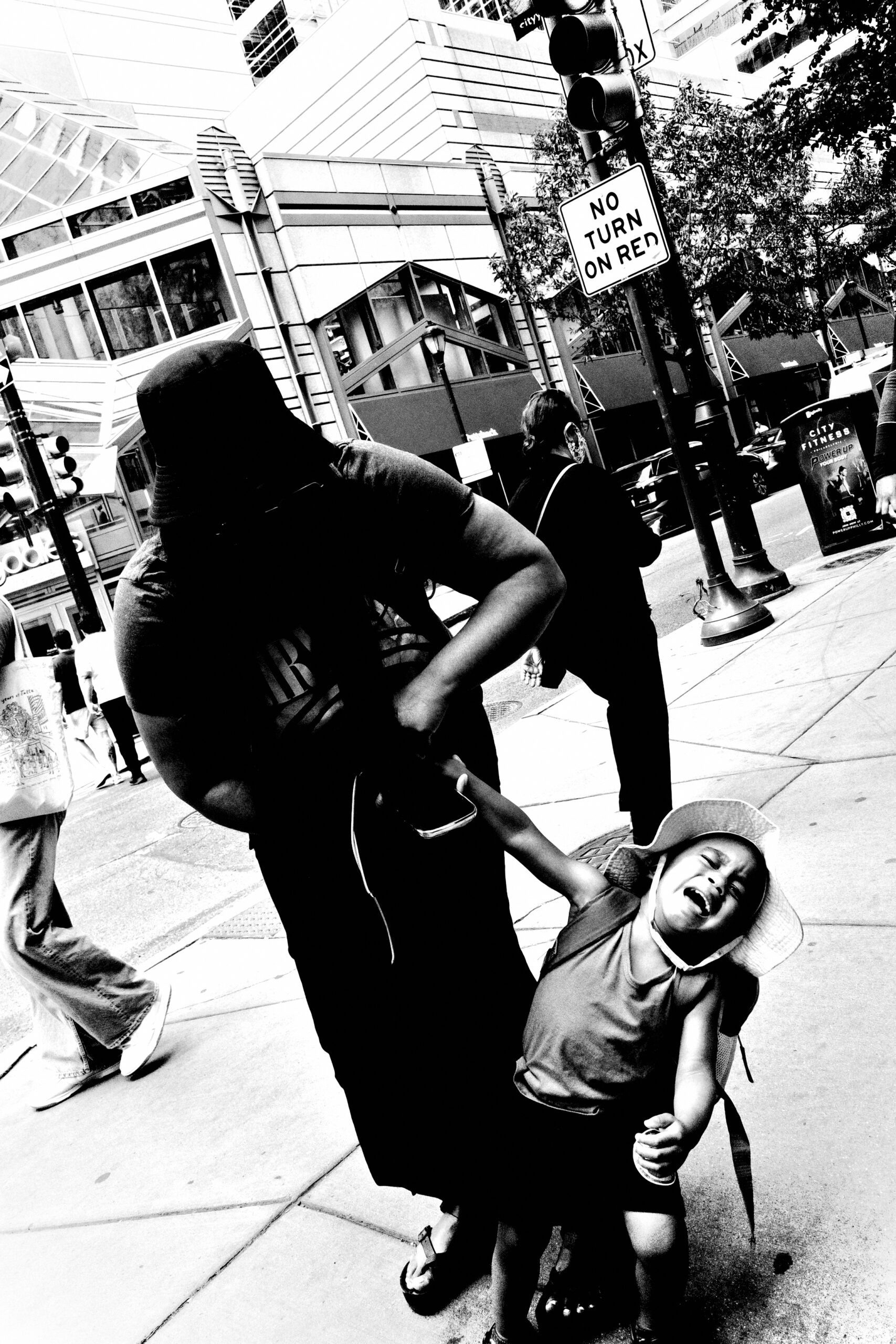
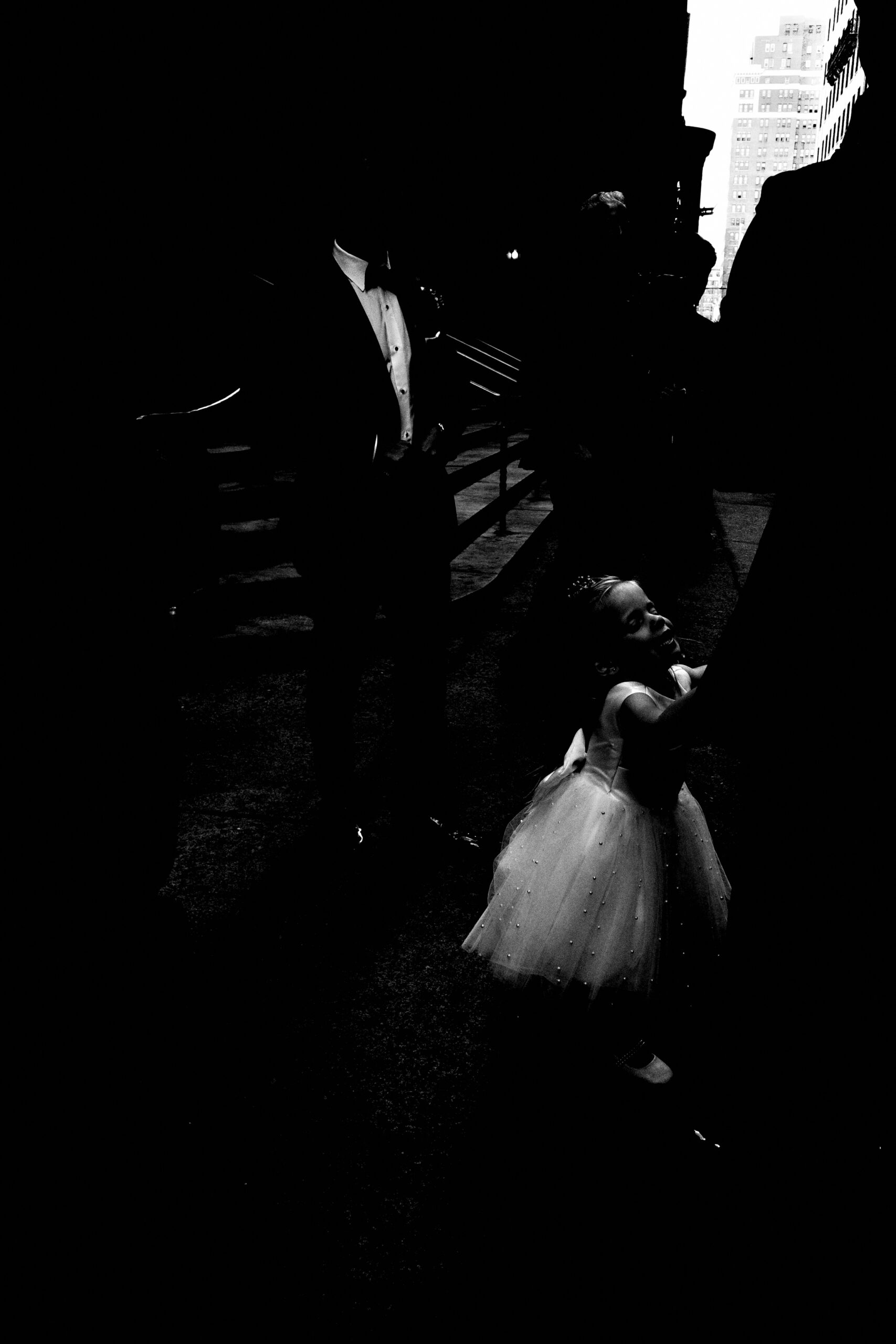
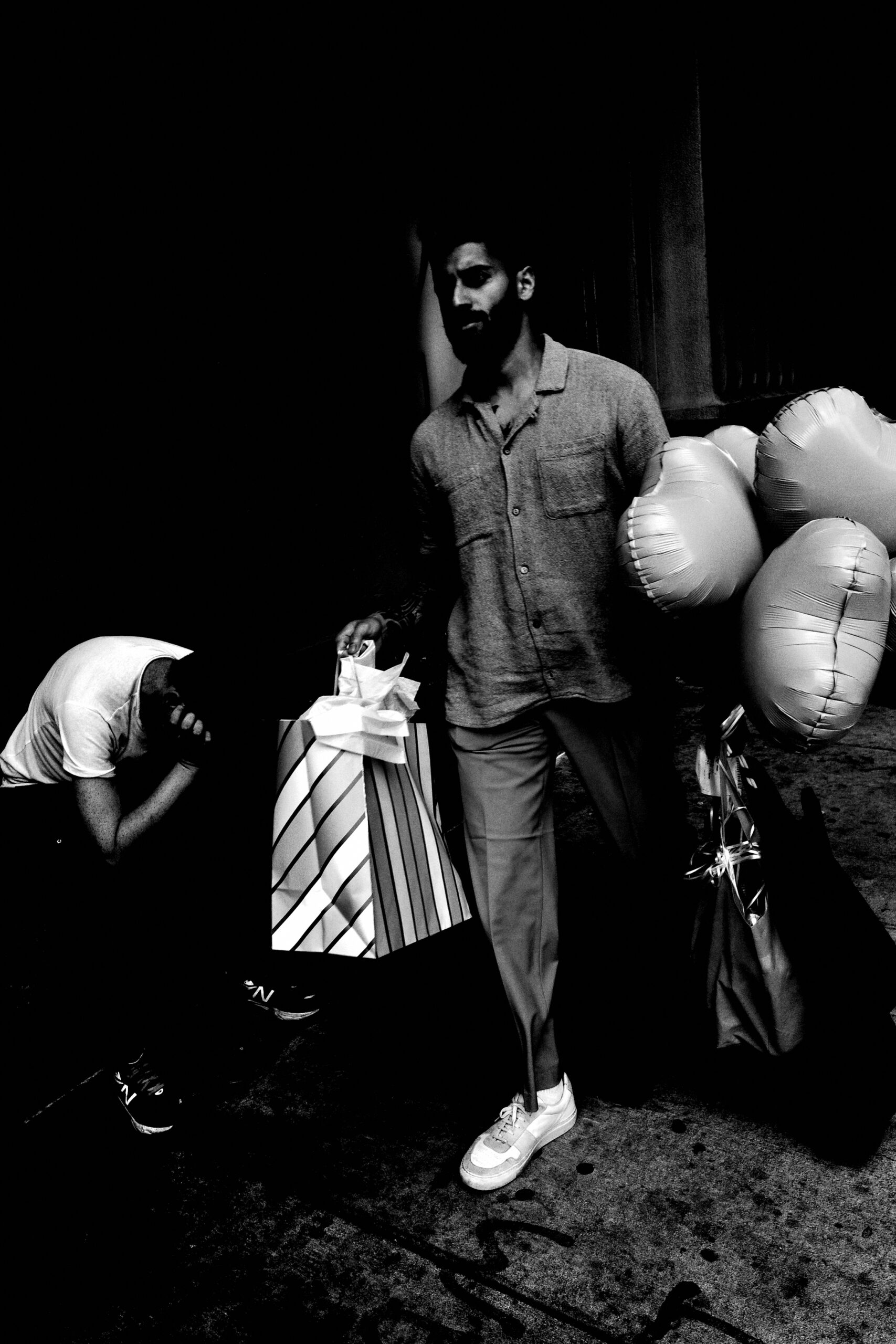
Speed and photography
Compact digital camera
Everything is done with speed, automatic, modes, high contrast, black-and-white, small JPEG files, iPad Pro, photos app
Grinding in Minecraft for XP
Mining in the dungeons for diamonds
It’s a part of the game that you have to get out of the way in order to advance to the boss, to get to the ender dragon. You need diamonds, in order to get there.
To find the diamonds, you have to grind.
There’s this period of time in the game where you’re just banging out stone and searching for that particular or that is the most valuable and rare in the game
In order to get there, we must go forward with speed
Think about your 10,000 photographs, that are typically viewed as your worst photographs. Let’s get them out of the way, at faster rate. Let’s advance our character. Let’s advance our photography along our journey by moving with speed and using tools that will allow us to get there.
The most fun part of the game of Minecraft is fighting the dragon and going on the adventure
The most exciting part is dropping into the nether, descending to hell, conquering the castle, coming back to the surface, find the portal, and fighting the ender dragon 
The lust for battle
Enjoying the process
This is where we should be with our photography
We enjoy the process, the journey, as the most fruitful and enjoyable part of it all
Detach yourself from the outcome
Now you get wings if you beat the boss in Minecraft. I Never even acquired the wings because this is a new update in the game. What if we don’t get the wings? What if we never reach the top? At least you’ll enjoy the process in the attempt of trying to acquire the wings.
The auto mindset
The autotelic approach
What is the telos of photography?
Photographing for the sake of making photographs
Increasing your curiosity, and courage
it takes a lot of time to find things that are interesting
Lots of time spent doing the thing
Finding joy and meaning in the process
Success is curiosity. The ultimate goal is to increase your curiosity one percent each day.
To wake up in the morning, eager to go out there and explore like a child
A kid with a camera
Set your body in motion without preconceived notions
Humans are by pedal
The motivation is in your legs 
The more that you move, the more that you will see, the more that you see, the more that you will do, or photograph
Think less, do more
Put the sword to the grindstone similar to grinding for daedric armor with daggers at the blacksmith in Skyrim to increase your gold
Mind, body, and spirit
Fasting enhances the connection between your mind and your body
Sharp visual acuity like a hunter
Patterns that exist in both nature and human behavior with clairvoyance
I can predict patterns and things before they even unfold when I’m on the street
Spontaneity and serendipity
Use a wrist wrap
Extension an extension of your eye and your body
The Kendama meaning sword 
Hand eye, coordination, skill, toy
I forget that the cameras, even there
Intuition is composition 
photography is a visual game of putting the puzzle pieces together, but it is also a physical medium
The agility required on the streets
Camera operation
Photography is a physical pleasure
Be physically present in the world, bear witness, at the front lines of life, where the Photographer thread is on the front lines of life, close to life, both physically and emotionally.
I’m not just making a photograph. I’m making photographs as a way for me to connect with life itself to find meaning with it and affirm my life. To mankind. To uplift humanity to a height that has been seen before.
Sculpture architecture
Bronze sculpture of the eagle in the center of the Wanamaker building
Looking up at the world’s largest playing pipe organ
Music that increases vitality
Catholic Church paintings depicting biblical narratives.
the art makes you feel something on an emotional level that we can achieve in the photography.
Photography can become the Apex of art
Photography exist outside the passage of
Photograph transcends physics
Photographs exist, outside of space and time
After a decade, I am still very curious
flow state
Enter the Zen zone
Go slow 
Walking is meditation
Don’t think, and become one with the street
Meditation doesn’t have to be done before close doors and the lotus pillows, hunting, we’re chanting
Photography is the ultimate outlet for meditation
I thrive walking. I’m always outside
Where can you find Dante? On the front lines of life!
Walking, endlessly
Photography and art life meeting, and maybe this is something that we were searching for during this modern world this age of abundance
We have so many cars and technology, computers, bridges, architecture, yummy foods, TV shows, movies, entertainment, and artificial intelligence that can enhance our lives
Artificial intelligence can be good to help us learn
And child like optimism is needed right now
Not kindness for kindness sake,
When you change yourself and become more selfish, you can go out and be selfless and change the world
Your impact on a stranger, whether you’re holding the door open for them, smiling at them, listening to them, engaging with life and engaging with others and kindness, we can brighten the world and become a beacon of light that shines brightly in the dark
Painting with light
Light is the truth 
We wield light
The ultimate source of power
 Light fuels me with a blissful and abundant sensation
I’m merely grateful to be alive, to have another day, and that abundant feeling comes through gratitude
Abundance is gratitude
I have an appreciation for the simple pleasures of life, such as sunlight, water, and walking – everything else is an upside
Move onward into the unknown
Move onward into the unknown, articulating it, and put order to the chaos
This is similar to how this world was born, this universe
The world was once formless, but then there was light
Light etches and give shape and form to surfaces, places, faces, and things
The world is a canvas
We are not confined to a box or to the four corners of a canvas

We can walk endlessly or live until we are 120 years old and still not see everything in this world
Peace in the chaos of the streets
What is a photograph?
A photograph is not just light on surface, a paper choice, Allan’s choice, a camera, a film stock, etc. Period
A photograph is a reflection of your courage
You can create a New World in a fraction of a second
Are you shooting with your hip? No, I’m shooting from the heart
Stories shape reality
Photographing conflict in the Westbank
David and Goliath at the valley of elah
My experience at the valley of elah, exploring the caves
move forward with courage and curiosity
Photograph is a reflection of your heart
Cor = heart
I’m curious about the world about life I wouldn’t experience all of its complexities
David Armour himself with God with courage to go out there onto the battlefield
The photographs are new world in a fraction of a second. A miracle.
Photography is endless
I can walk the same lane, but always find something in nothing.
Photography is a superpower
Armor is more important, but I will my cameras a sword. Striking through the heart of chaos, revealing the soul of the street, creating visual order and harmony from the spontaneity of every day life.
Photographer is in the chaos, and the unknown
You don’t know what can happen on the front lines of life
The news promotes fear and hate
News, you’re not gonna leave your room it’s nothing but doom and gloom
Up in your covers with Netflix on and live on the sidelines of life
I grew up, spending lots of time in the woods. I made teepees and forts with sticks, made bridges with stones, sharpens spears, and attempted to hunt deer, climb trees, swung from vines, discovered, caves, and totem poles. 
Story of the founding of Rome. Remus and Romulus, the raised by the Lupa that she was in the unknown, in the unknown in the wild.
Stories and myths intrigue me
Can you imagine what RORY and intrepid you would be feeling? By being raised by a wolf by a baby.
At that point, nothing will stop you, and then you can go and be a founder of Rome
We are all ants in a colony
Every ant has a role-play
Warrior bugs.
Flik is an inventor, innovator. Speed up the process of harvesting grain.
All of the ants were toileting, picking up the greens one by one on their back
Flick made a machine to speed up the process of harvesting grain
Flick across the canyon on a dandelion
Flick was the first Aunt in the colony to leave the colony
Flick found his own path
He fought against the grasshoppers and he wins in the end
The goonies
Movies and memory
The boys are under pressure, they’re all friends, in a neighborhood, but their house may be taken away from them because they can no longer afford their mortgage
The boys have a call to adventure to find hidden treasure on a pirate ship after discovering a map in the attic
In the end, they find the treasure, and the goonies can stay together
Call to adventure
the individual within a colony must strive to be the hero
Washington, Crossing, the Delaware
A revolutionary hero
The stories echo from the water
Washington and his intrepid fighting against the British, then finding America
America is the Roman Empire 2.0
I’m reminded this when I walked by the Navy and recognize the power of our naval force and military across the world
America is the Apex of where human civilization can be strive to become
We have so much abundance here, but we squander our potential with the pursuit of pleasure
We become selfish in a destructive way through the pursuit of pleasure
Gluttony and hedonistic pleasure
Sex is merely just a little gooey stuff that comes out of an orifice. It’s a slight sensation for a second. It’s not worth pursuing for pleasure.
A lot of pleasure seeking is distracting
The pursuit of pleasure lead us a strike from becoming the greatest version of ourselves
the Peace Corps volunteer experience I had working with rural aquaculture promotion specialist. What is the most paradigm shifting event that I had?

When I arrived in my village, sacrifice was made immediately. I was presented by with a goat, hanging from a tree and was given a knife to slaughter it. We feast it for the next week.
I was now invited and welcomed to this new village and community or family
God, tribe, and land
Saying the Pledge of Allegiance and praying before class in Catholic school from grades pre-K at eight
Nationalism is good
we are all one big family that stems from one family tree
Thrive under a thatched roof
At the center of the village, there’s a gathering place, the church, at the center of the church, there is an altar
There is a sacrifice that is made in the church, at the altar, as we remind ourselves of the sacrifice that Jesus made on the cross
Reminded of this ideal man to strive towards, to strive to become like Jesus
Strive to become the greatest version of yourself
You all thrive together, with that ideal man at the forefront, at the center of the community
Archetype, hero
The teachings and philosophy of Jesus
Jesus of Nazareth
Good sleep
Eight hours a day keep the doctors away
feast like a God
Snacking is bad
Pretend like it’s ancient Rome and you’re defending the castle
Eating is a waste of time
how to feel like Genghis Khan
The first thing a wolf eats when it kills its prey is the liver
Restaurant = to restore
Beef pho is a healing broth
Probiotics in Kimchi
Your gut is most intelligent
God like intuition
Don’t keep anything in your belly during the day
How to find God?
The reading terminal market
Trust the Amish
Eat more red meat, eggs, and liver 
Spread the good news
The word
We can all thrive together
La Lupa
The myth of Prometheus being tied down to the rock, as a vulture constantly eats this immortals liver. Endless pain. Punished by the gods for stealing the fire and giving it to humans so they can create civilization.
Prometheus created humans with clay
God created man with dust of the ground
God breathed into man’s nostrils, the breath of life
Return to the garden of Eden
Adam and Eve
The flaming swords
Pick up the flaming swords and destroy?
Destruction can be creation
Create something new
Is man permitted to strive to become a demigod?
Transcendent
Societal norms have us limited
We lack imagination because we lack a connection to the cosmos. Too much air pollution.
Looking up at the stars in the village, recalling stories with Bwalya under a thatched roof, during the two week church camp
Bwalya told me about the story of Jezebel under the stars under a thatched roof
The prophet Elijah
ChatGPT is woke
memes are the smallest unit of knowledge and information
Memes are like genes
language, stories, and information, describe who we are
Follow the teachings of Jesus
Turn the other cheek
When I was in Jericho, I was confronted by an angry man amongst the crowd, he ripped the camera off of my neck and broke my strap. I returned to Mohammed house, he mended my strap, and I went back out to shoot more pictures. When the man broke my camera strap, I simply stared at him in his eyes, did not respond, as he huff and puffed, and walked away.
by turning the other cheek, I was able to come out unscathed during this conflict that arose and Jericho 
Watering Hassan’s garden
Jesus used justified aggression when he overturned the tables of the money lenders and used his whip 

All roads lead to Rome
I saw the eclipse a year before it happened
I photographed rainbows all across the world
Saint Michael the archangel is on my shoulder

Trust your intuition
Follow your gut
Shoot from the heart
I thrive in solitude
Separate the wheat from the chaff
Disconnect from modernity and connect with the divine
Sculptures in Florence
Achilles, dead, in the arms of Ajax, a beautiful death
Heroes and archetypes and stories
Achilles, Hercules, David, and Jesus
Surround yourself with beauty
I no longer fear of death. I am simply grateful every morning to have another breath.
Treat each night like a mini death and each morning like a mini birth
Courageous and fearless
Learning to skateboard as a child at FDR. Witnessing a man smashing his skull into the ground, a bloody mess. Why Im so intrepid
Whether or not you beat the boss or die at the end of the video game does not matter. The outcome is irrelevant because you fear not of it.
Intrepid, courageous, free spirit