
How Bitcoin operates on the blockchain, a public ledger
Bitcoin operates on a public ledger known as the blockchain. Here’s a breakdown of how Bitcoin uses this public ledger:
- Blockchain Structure: Bitcoin’s blockchain is a sequential chain of blocks, where each block contains a list of transactions. These blocks are linked together in chronological order.
- Transparency: The Bitcoin blockchain is public, meaning that anyone can view the entire transaction history from its inception to the present. This transparency helps ensure that transactions are verifiable and can be audited by anyone.
- Immutability: Once a block is added to the blockchain, the information it contains is considered permanent. Changing the data in a block would require altering all subsequent blocks, which is computationally impractical. This immutability ensures the integrity and reliability of the transaction history.
- Decentralization: The Bitcoin blockchain is maintained by a distributed network of nodes (computers) around the world. Each node has a copy of the entire blockchain. When a new transaction is made, it is broadcast to the network and must be verified by the nodes before being added to the blockchain. This decentralized nature prevents any single entity from controlling or manipulating the ledger.
- Consensus Mechanism: Bitcoin uses a consensus mechanism called Proof of Work (PoW) to validate transactions and create new blocks. Miners (participants in the network) compete to solve complex mathematical problems, and the first one to solve it gets to add the new block to the blockchain. This process ensures that transactions are verified and recorded in a secure manner.
- Security: Bitcoin’s blockchain is secured through cryptographic techniques. Each block contains a cryptographic hash of the previous block, which links them together securely. This makes it extremely difficult for anyone to tamper with the blockchain without detection.
Overall, Bitcoin’s public ledger provides a transparent, immutable, and decentralized way of recording and verifying transactions, ensuring trust and security in the system.


Love of Life
I love life!
The term biophilia comes from the Greek roots:
- “bio-“ (βίος): This part of the word means “life” and is derived from the Greek word “bios.”
- “-philia” (φιλία): This suffix means “love” or “affection,” stemming from the Greek word “philia,” which implies a fondness or deep appreciation.
The word was popularized by the psychologist Erich Fromm in the 1960s, who used it to describe a psychological orientation of being attracted to all that is alive and vital. Later, the term was further developed and expanded by biologist E.O. Wilson in the 1980s to describe the inherent human inclination to affiliate with nature and other forms of life.
Street Photography POV | Rainbow in Philadelphia

Download the full resolution image here
“I’m going to photograph the rainbow. I’m speaking it into existence. Somebody’s going to leap in front of it in a glorious position, and I’m going to photograph it right now. I’m going to be patient and wait here because I believe that I’m going to capture this image with all of my heart. I’m going to sit inside of this water until it happens.”
A Life of Otium

A Life of Otium
How can we design a life of maximal physicality, and NOT productivity?
Chopping Trees
Yesterday, I was chopping a tree down at work. It was extremely rewarding, using a saw for the first time, hacking at these big logs, and taming a wild tree that seemed to have not been taken care of for at least a decade. I weeded the entire land, took all of the vines and ivy that were strangling the branches out, got up on a ladder, shaped the tree, elevated it, and made it look extremely beautiful. I was thinking about Minecraft, and in the beginning of the game, you immediately start punching trees so that you can get wood and make tools. It made me think about why it’s such a good game and the fact that it’s all about building, creating, and doing things in an open world. There’s a reason why it’s the number one most sold game of all time. Minecraft was always my favorite video game. I could spend hours and hours grinding and playing this game. The reason being, there is just endless terrain to explore, dungeons to conquer, and things to craft and create. Time would pass by in the blink of an eye, and you could wind up spending eight hours a day playing this game without even realizing that the day just passed by. This is how I felt yesterday, as I worked diligently through physicality, physical labor, for eight hours. We could just live real life like Minecraft, or a video game, where we have the ability to terraform, to transform things, to create anew.
What is Your Vocation?
Of course, photography is my number one vocation, my calling, my purpose in life. However, maybe my new goal is to become the greatest horticulturist the city of Philadelphia has ever seen. I find great joy in horticulture—tending plants, landscaping, gardening, chopping trees, clearing land, watering, pruning, and shaping bushes and trees. While I was volunteering on a kibbutz in Israel, I worked as a gardener and seriously enjoyed it. Using my body in the real world provides me with a sense of purpose that I cannot find in modern cities. Perhaps the best way to live life in a modern city is to find work that requires you to be physical, standing upright, in an open space where you can walk all day, stand all day, and actually do things with your physical body. Physical labor actually seems to be the most virtuous path for a man in the city, and I know for a fact that I personally cannot just sit down for eight hours in Zoom calls, working from home, or in an office, taking orders. To me, physical labor is merely physical pleasure or leisure. When you’re filled with vitality and power, physical labor is actually extremely easy and leisurely. I find that while working an office job could technically be an “easier” path, there are fewer headaches with physical labor. I don’t need a phone, to be constantly on call, or to check my email, etc. I can simply show up and get straight to work in solitude, working on projects that actually bring meaning to life. To me, anything that’s happening in a digital world is quite meaningless. I don’t find joy at all in sitting at a computer anymore. Maybe if they allowed you to play Minecraft in these offices for work, it would actually be fun, but unfortunately, this is not the case, so I must play Minecraft in real life, haha. Most office jobs are like playing RuneScape, just tapping, tapping, tapping, grinding, grinding, grinding—so boring.
Choose Otium
In classical antiquity, in ancient Greece and Rome, otium was a period of leisure, the opposite of negotium, which refers to work or business. For instance, I’ve actually worked on the Joe Biden campaign, in politics, both as a field organizer in 2020 and as a photojournalist for the DNC in 2016. What I’ve realized after these experiences is that I could not continue down that path. The greatest thing about me is that I’m very adaptable, able to organize people, gather volunteers, speak publicly, be political, and work within various capacities. I’m great with strangers, other people, working in teams, etc., but I prefer peace and solitude. I’ve decided to just choose otium, the path of least resistance. I do not desire a life of stress, of constant pressure, deadlines, and having to be on call. I’d rather sacrifice a higher salary for more freedom. I do not need prestige, awards, applause, or any sense of social obligation, social status, or reputation in my life. I do not need or seek fame or fortune. I choose the simple path, one that aligns with nature, spirituality, philosophical reflection, and physical leisure. This is why I’ve decided to opt out of negotium, to opt out of modern life, societal norms, or ideas of what success looks like. I’ve purposely chosen perpetual otium and encourage you to consider how to maximize otium in your life.
Public Transportation
One thing that I seriously do not desire in life is to own a car. The city of Philadelphia is the greatest city in the United States of America because it is so walkable. You can literally cover the entire city in a day by foot, making this the greatest environment for street photography. The fact that I don’t need a car is so liberating. A car just winds up owning you, and these possessions tie you down. If anything, it’s just more of a headache—to get it out of the parking spot, to fill it up with gas, to pay for insurance, etc. To sit in traffic seems to be the ultimate nightmare. I even decided to stop riding my bike to work because of how dangerous it is. Even these other bikers are the problem. One time, I was waiting at a red light, and a biker wanted to pass through the red light, disobeying the traffic laws. As I sat there on my bike, he flipped me off with the middle finger, calling me an asshole. I just stood there, waiting for the light to turn green. I had multiple flat tires because of all the glass everywhere, and it just became more of a problem than a solution to transportation for me. Since taking the bus, my life has become 10 times easier and even more productive in terms of my photography. I have a perfect view of the skyline every single morning, giving me the ability to make a perfect landscape photo out of my window of the city, which never ceases to put a smile on my face. Not to mention, the bus gets me exactly where I need to be and picks me up right outside of my house. It’s just so easy, convenient, and reminds me why I seriously do not need a car. The other great thing about the bus is that I can stand, chat with locals, and be around other people in the physical flesh. I just like observing people in general. For instance, yesterday, while I was on the bus, this really big guy who needs an electric wheelchair to get around kept bumping into the button that tells the bus to stop. It just kept going off over and over again and was kind of funny. The bus driver had to stop and told him to move his chair over a bit. As this was happening, the man behind me sighed loudly because his phone was ringing. It always cracks me up how people sigh, moan, and groan when they get a phone call. He had a bag of chips in his hand beside him, munching as he spoke, talking in a muffled voice, basically shouting at the top of his lungs. You couldn’t even understand a single word he was saying because of the amount of chips in his mouth as he chewed. Maybe modern society is becoming like the real-life Wall-E movie? These small observations and things I see are just hilarious to me, and another reason why I love the bus, haha.
Ultimately, a life of walking, standing, and moving is my goal, and the bus helps me achieve this. I find so much more freedom without a car and have actually never owned a car in my entire life. I can only count maybe 5 to 10 times that I’ve ever driven a vehicle in my life, and honestly, I wouldn’t mind keeping it that way. If I ever really need a car in a pinch, I can always just call an Uber, like it’s real-life GTA, baby.
Why Eat?
Eating food is for suckers?
This is the craziest thought yet—where food is a scam, merely poison, and not something worth consuming throughout the day. Just think about it, most of the food in the center of a grocery store is just processed junk. I see these advertisements all the time for Amazon, prepackaged meals, or these microwavable meals that are prepackaged and perfectly made for you to pop into a microwave. They’re all centered around the idea that we no longer have time to make food, because we are too busy at work, being productive, to the point where we can no longer focus on our health?
This is the denial of our physical bodies, the denial of our pursuit of productivity, such a slave mentality, and it makes absolutely no sense to me. Packaged meal plans and convenient food options are all such a hunk of junk. Start fasting, eat more meat, get good sleep, and you’ll realize that you seriously don’t need any of these things. It’s so consumerism-driven to the point where we are the ultimate consumers, just eating and munching our ways through life, snacking throughout the day like squirrels. Think like a lion, feasting on the kill and then chilling out, filled with vitality and power. Let’s be more like lions and less like the hyena or the squirrel that eats the scraps.
Be Playful
When you’re on the street practicing street photography, be more playful. Say hi to strangers more, smile more, and spark up conversations with security guards. What I’ve realized is that these dudes who are always outside always have a smile on their faces—they’re just enjoying the day, outside, in the fresh air. Also, get to know the local musicians that play outside. Shout out to Rome, always in the tunnel of City Hall. When you get to know the people in the streets, you feel more connected to your city and have less pressure when it comes to street photography.
Creative Flow State
Our goal is to photograph as much as humanly possible.
The solution: a compact, digital camera that can fit in your front right pocket. This means, no matter where you are—whether at work, running errands, or making a dedicated effort to practice street photography—you always have the ability to create something. What this does for you is it puts you in an abundant flow state of creativity. I believe you can only achieve this flow state when you have your tool in your pocket at all times. When you’re always ready with a camera, the world becomes your canvas, and there’s endless potential to create. Whether you’re working physically or creating visually, the act of creating, doing, and making is what brings life meaning. Enjoy. Enter the flow state of creativity, and fuel your lust for life.
How to Enter a State of Rausch?
So, you want to become intoxicated, in a state of frenzy, or ecstasy?
Let’s get drunk off life itself, without the need for any external stimuli such as drugs or alcohol. The real drug is black espresso that I prepare in the evening—four shots to be exact—leaving them in my fridge overnight so that when I wake up, the first thing I do is slam all four shots and head outside my door. This puts me in a frenzy, an ecstatic state, where I treat the coffee like a creative stimulant, so that I can write these fun blog posts and film silly videos with my GoPro. Ultimately, I believe that you can become drunk off of life itself, through basking in the sunlight, being physical, working out, and running off of that adrenaline high.
Increase Your Energy
The fastest way to increase your energy is to drop to the ground right here, right now, and do 10 to 25 push-ups. When I do a set of push-ups, or any physical exercise, I feel alive, and I can feel my energy increase instantaneously. The endorphins and adrenaline that rush through your body when committing to physical exercise are unlike anything else you can experience in this world. To increase your energy is extremely simple—just don’t sit down. The second I sit down, I feel my muscles relax, my body shut down, and I begin to yawn. However, if I hit the gym, do some push-ups, pull-ups, or random pistol squats throughout the day, I increase my energy and recognize that being physical is the fastest way to increase your energy—not sitting down and thinking about it. The sun, fresh air, and deep sleep are all vital. Stop using your phone, and just to damn bed. Raw energy is built in bed and through sleep—at least eight hours. I also recommend doing a morning walk right away as a great way to start the day, specifically on a nature path if you can choose one. Strap on a 40-pound weight vest from Rogue, and simultaneously walk while training your body. This is my newest training routine, simply walking with a weighted vest, and I honestly find this to be the best. As a street photographer, having strong legs and a strong posture is essential to stand upright and walk endlessly throughout the entire day. However, if I do feel the need to rest and recharge my energy, I’ve found that taking a 15-minute nap, randomly out in a grass patch under a tree, is the quickest way to boost my energy and actually works. Your body is the battery—make sure it’s fully charged, and by the end of the day, your battery should be at one percent, fully depleted, ready for deep sleep.
Everything Is Effortless
When you’re full of vitality, everything becomes effortless. Even the hardest physical labor becomes leisure. Just enjoy yourself, stop trying so hard, and stop subscribing to notions of “discipline” that I believe actually become more of a slave mentality. You shouldn’t have to remain disciplined. You should move through life with strife, but without effort, because you’re just so full of power and energy. Let’s think more critically about how we can align ourselves with nature more and become the most vital, most alive, most powerful versions of ourselves. With this power will flow our creativity through photography. Let’s become one percent more curious and courageous each day. These are the goals!
Dante Life Philosophy
Dante Sisofo’s life philosophy revolves around several key principles:
- Biophilia: He has a profound love for life in all its forms, believing in the deep connection between humans and nature. This biophilic perspective emphasizes finding beauty and purpose in the natural world.
- Balance and Unity: He values balance and unity, often symbolized through his bright purple outfits. This reflects his belief in maintaining equilibrium in all aspects of life.
- Legacy and Contribution: Dante aims to leave a positive legacy through art, photography, and ideas. His focus is on contributing to the world in meaningful ways and sharing his experiences and thoughts.
- Embracing Abundance: He believes in giving more than taking and focusing on the abundance of life. He seeks to find paradise in everyday choices and surroundings.
- Learning and Growth: Emphasizes continuous learning and maintaining a beginner’s mindset. He values direct experience and personal exploration over traditional or formal methods.
- Connection to Nature: Advocates for spending time outdoors and engaging with the physical world. He finds solace and perspective in nature, contrasting with the constraints of urban environments.
- Critique of Modern Life: Critical of modern technology and societal norms, he feels that they often exacerbate mental health issues and lead to a sense of disconnection. He views nature as a remedy for these problems.
- Art and Creativity: Sees art as a vital means of expression and exploration. He believes in the transformative power of creativity and its role in making life meaningful.
Dante’s life philosophy is a blend of reverence for nature, a commitment to personal growth, and a desire to make a positive impact through creativity and contribution.
Dante Health Philosophy
Dante Sisofo’s health philosophy is centered around a holistic and nature-oriented approach. It includes:
- Diet: Emphasizes a red meat-only diet, avoiding breakfast and lunch to focus on fasting. This is part of a broader belief in the health benefits of consuming red meat exclusively.
- Exercise: Advocates for a comprehensive daily routine involving full-body workouts, yoga, and exercises like the farmer’s walk. The routine is designed for long-term muscle building and overall physical strength.
- Lifestyle: Values outdoor activities, exposure to sunlight, and minimal reliance on technology. Prioritizes physical movement, such as standing and walking, and prefers wearing barefoot shoes to stay connected to nature.
- Mindset: Believes in the interconnection between physical strength and mental well-being. Advocates for a return to nature and physical activity as a remedy for modern life’s negative impacts on mental health.
Overall, Dante’s philosophy integrates diet, exercise, and lifestyle choices with a deep appreciation for nature and simplicity, aiming to achieve a balanced and healthy life.
Dante Photography Philosophy
Dante Sisofo’s photography philosophy centers on the following principles:
- Joy of Process: Dante emphasizes enjoying the act of taking photographs rather than focusing solely on the outcome. He believes that the process of capturing images should be fulfilling and engaging.
- Curiosity and Exploration: He values curiosity and sees photography as a way to explore and understand the world. This curiosity drives him to capture candid, spontaneous moments that reflect life’s essence.
- Beginner’s Mindset: Dante approaches photography with a mindset of continual learning and openness, preferring to learn through direct experience rather than formal education or external influences.
- Street Photography Focus: He has a particular passion for street photography, finding beauty and interest in everyday scenes and interactions within urban environments, especially in Philadelphia.
- Embracing Spontaneity: Dante values the unpredictable nature of street photography, allowing for a more organic and authentic representation of life.
- Not Taking It Too Seriously: He encourages not taking photography too seriously, focusing instead on the enjoyment of the craft and the creative freedom it offers.
These principles shape Dante’s approach to photography, helping him capture moments with authenticity and creativity.


Introduction to Nutrition
Introduction to Nutrition
Brain health
All aspects of our physiology and biology influence the brain 
- Metabolic health
- Cardiovascular health
- Body composition
- Musculature
Dementia is preventable
Nutrition is the process of providing or obtaining the food necessary for health and growth
Food
Food isn’t just what we Eat
- Food is how we celebrate
- Food is how we bond
- Food is how we show love
- Food is ritualistic
- Food is cultural
- Food is an art form
When you are stressed out, you reach for your favorite food. Food becomes your friend.
Food is ineffable
The word “ineffable” comes from the Latin term ineffābilis, which is a combination of two parts: the prefix in- meaning “not,” and effābilis, which means “able to be spoken” or “utterable.” The root effābilis itself is derived from effārī (to speak out, utter) and fārī (to speak). Therefore, ineffābilis literally means “not able to be spoken,” which is the essence of the modern usage of “ineffable” to describe something that cannot be expressed in words.
Industrialization of food

Today, most food you find in grocery stores has been processed multiple times. This has majorly contributed to the American health crisis. 
Ultra processed versus unprocessed
It’s not black-and-white, rather there is a spectrum of processing that food can have 
When you buy an apple from the supermarket, it is unprocessed. The second that you slice into it with a knife, it becomes processed. Once you take the apple, squeeze it, and produce apple juice, you’re taking the processing to the next level. You can take an apple slice and make applesauce, processing it even further. if you make apple flavored gummy treats, you’re processing it even further. 
Food processing is a continuum
Where do we find ultra processed foods?
Rhey are packaged in most major supermarket aisles
60% of adults calorie intake today are these ultra processed foods, and have become a staple of the standard American diet 
70% of calories for the average child comes from ultra processed foods
Result of eating ultra processed food
We are now finding that there is a link between chronic diseases and ultra processed foods such as asthma, ulcerative, colitis, and different cancers 
For every 10% increase in ultra processed food consumption there’s about a 25% increased risk in the development of dementia
Association of ultra processed food consumption with risk of dementia. A prospective cohort study
Nutrients
Macronutrients
The three primary sources of energy for the human body:
- Carbohydrates
- Proteins
- Fats
Essential nutrients
Nutrients required for your body to function properly
We need these to survive. If we don’t, we can develop a deficiency disease.
There is no such thing as an essential carbohydrate, and you would not develop a deficiency disease for not consuming carbohydrates
Fats are essential
Essential fatty acids
We need a very small amount of essential fats on a regular basis.
- Omega 3 fatty acid
- Omega 6 fatty acid
Adding more fat to the diet is associated with better hormonal profiles
Protein is absolutely essential, providing amino acids.
Your body is made of protein
Amino acids
There are dozens of amino acids and 9 essential amino acids
Microscopic molecules that form together to create proteins 
Carbohydrates
- Simple carbs
- Complex carbs
- Fiber
Simple carbs are often used to describe sugars
Sugar or added sugar is specifically not healthy
Complex carbs can often be broken down by our bodies as quickly as simple carbs
Simple carbs = sugars that you can taste on your tongue and are sweet
Complex carbs = don’t immediately taste sweet until they start breaking down on your tongue
Complex carbs are generally starches found in fruits and vegetables
Fiber is technically a carbohydrate
We don’t break down fiber
Carbs and fats
Fats and carbs are both energy
Both are responsible for creating energy for the body
Protein is not used as energy in the body. Protein is a building block
Fat is most easily stored as fat
Fiber does not provide energy and generally thought of as indigestible. It fills you up, makes you feel satiated. It plays a role in our gut health and gut microbiome
Fiber
Found in whole plants
Found to increase longevity, lower inflammation levels, and lower cholesterol, generally considered good for you
Fat
- Unsaturated
- Satueated
- Trans
- Monounsaturated
- Polyunsaturated fats
Some people are under the misconception that fat makes you fat. It doesn’t necessarily, but it can if you over consume it.
Saturated fats
“Bad fats” – people who say they are bad, don’t know what they are talking about
Some sources of saturated fats, like those found in whole foods, such as coconut oil and grass fed butter, can be a part of a healthy diet 
Saturated fats are found in red meat, dairy, and plants
Saturated fatty acids = hydrocarbon chains that are connected by single blondes
- Palmitic
- Myristic
- Stearic
Stearic acid is most commonly found in animal products that has little to no impact on biomarkers associated with cardiovascular disease
Dairy has the highest proportion of saturated fats – much higher than beef. People who consume full fat dairy tend to have better cardio metabolic health
Saturated fats are chemically stable, making them less prone to oxidation
Butter is a fat, it is solid
Oil is liquid at room temperature and they are primarily comprised of unsaturated fats
Unsaturated fats are less chemically stable than saturated fats
Unsaturated fats
“Healthy fats”
Unsaturated fats, such as those found in broccoli and avocados, are known for their ability to promote cardiovascular health and reduce the risk of chronic diseases 
- Monounsaturated
- Polyunsaturated
These fats are essential components of a balanced diet, known for their roles and supporting heart health, brain function, and overall well-being
Saturated fats are the most chemically stable, then unsaturated fats, then trans fats
Foods that are higher in polyunsaturated fats are going to be more prone to this form of chemical degradation which can affect your biology in profound ways
Nature has done the guesswork for us, packaging these fats with the correct amount of antioxidants to protect them.
Trans fats
“Processed fats” – very bad for us
Trans fats are formed through the process of partial hydrogenation which converts liquid oils into solid fats and is linked to increased risk of heart, disease and other adverse health effects
Commonly found in vegetable oils
They were in the food supply for decades, until removed by the FDA.
We have been told for decades that saturated fats are not good for us by our governing bodies
A food manufacturer could give processed foods the texture and the consistency of food that was otherwise rich and saturated fats, but market it being low in saturated fat. It was also very dirt cheap to produce, unlike butter or tallow.
Partially hydrogenated oils  =!Classified as poisonous due to their association with cardiovascular diseases and other health risks 
Natural trans fats
Natural trans fats are found in small amounts in some animal products like meat and dairy, but they occur in forms that are less harmful or even beneficial compared to the artificial trans fats produced through industrial processes 
Conjugated Lonoleic Acid (CLA)
A type of naturally occurring trans fat found in certain foods like grass, fed beef and dairy products 
They have some anti-cancer properties and some metabolism fortifying properties
Protein
Found in plants and animals
Plant VS animal protein
The difference is in the amino acids
Planr proteins, generally contain a more limited range of essential amino acids, compared to animal protein, necessitating a diverse diet to ensure adequate intake of all necessary nutrients 
Animal proteins do provide all of the essential Amino acids in their appropriate amounts, and their plug and play amounts. Animal proteins are the highest quality proteins that we find a nature, primarily because we humans are meat.
When we ingest the meat of another animal, it helps to fortify the meat that were made of. 
Plant based protein
Plant-based protein eaters often combine legumes and grains in their diet to ensure they obtain a complete array of essential amino acids, supporting optimal, nutrition, and overall health 
Vegan diet
Protein concerns
Protein quality can become a health issue when consuming less protein overall 
The less protein you consume, you want to make sure that the protein quality that you’re consuming is sufficient 
Animal protein is the highest protein quality
Collagen
Most abundant protein in the body
Collagen is a protein found abundantly in the body, serving as a crucial component of connective tissue, skin, and bones 
Collagen is not an essential protein because we produce it, but consuming collagen offers a myriad of benefits, from promoting healing, joint improvement, and more.
Collagen can support wound healing
Collagen is compromised of the molecules that keep our arteries elastic 
Collagen contains:
- Glycine
- Proline
- Hydroxyproline
Glycine improves metabolic health and sleep
Organ meats
Contains collagen – glycine
Liver, tongue, kidneys
These meats are valued for the rich, nutrient content and distinct flavors and various cuisines worldwide

Supplements
Used to augment protein intake
Whey is the highest quality protein, but is a processed food. Made in the cheese making process, which is minimally processed.
Plant protein supplements
More processed than animal protein, supplements, and may contain a larger dose of heavy metals
This is a concern for people on vegan-based diets
We are made of food
“You are what you eat”
Food is a source of information
Food and genetics
Certain foods have been found to exert epigenetic effects, influencing, gene expression, and potentially impacting health outcomes over time
Many of the kinds of chronic diseases that people are suffering from around the world, cardiovascular disease, cancer, dementia, are responsive to food
Food can be a form of medicine
The power of nutrition
Food is important for body composition.  The ratio of muscle to fat mass that you’re carrying is relevant when it comes to long term health and how you feel.
Food and exercise performance
How can what you eat affect your physical energy and stamina? 
Harness the power of nutrition 


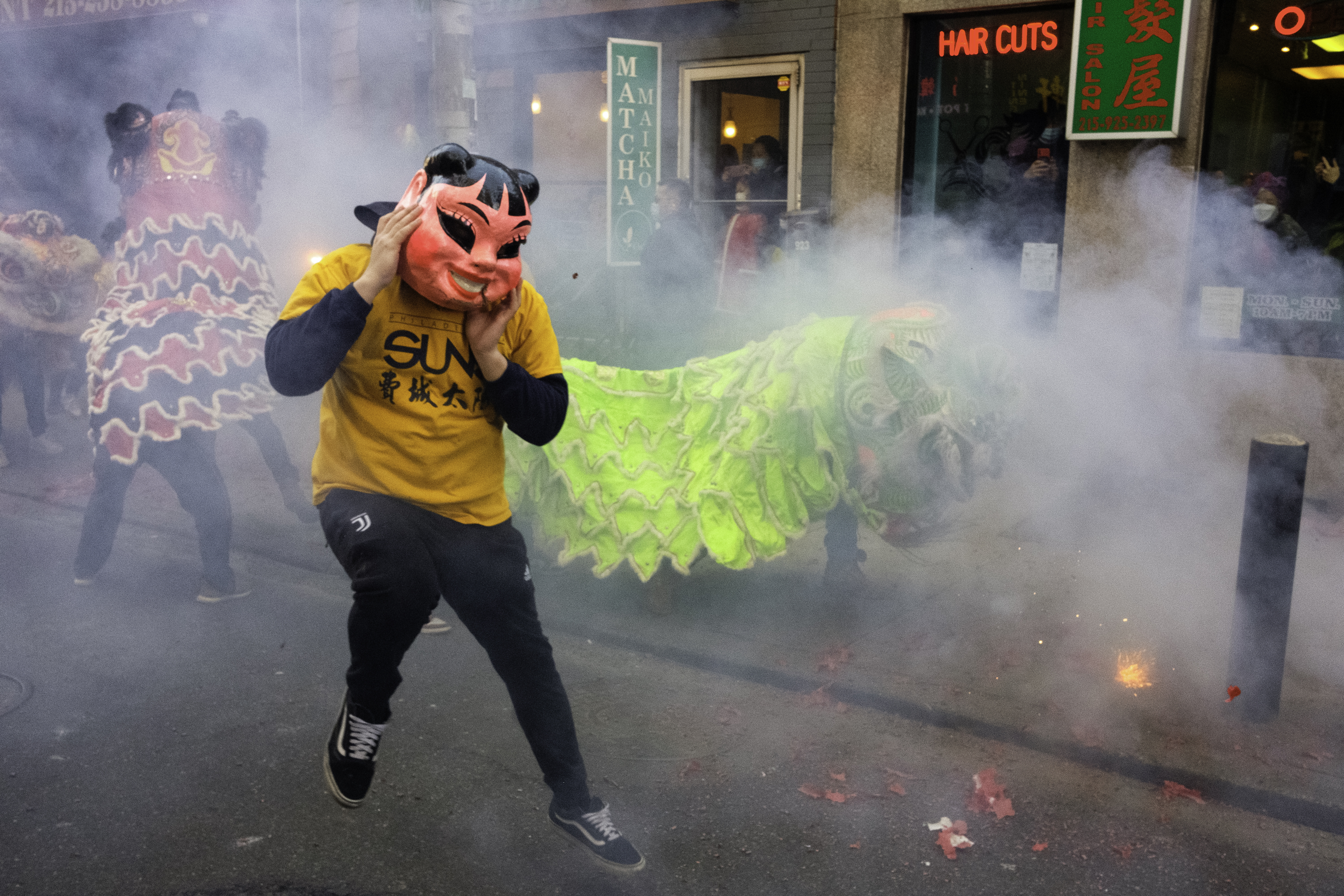
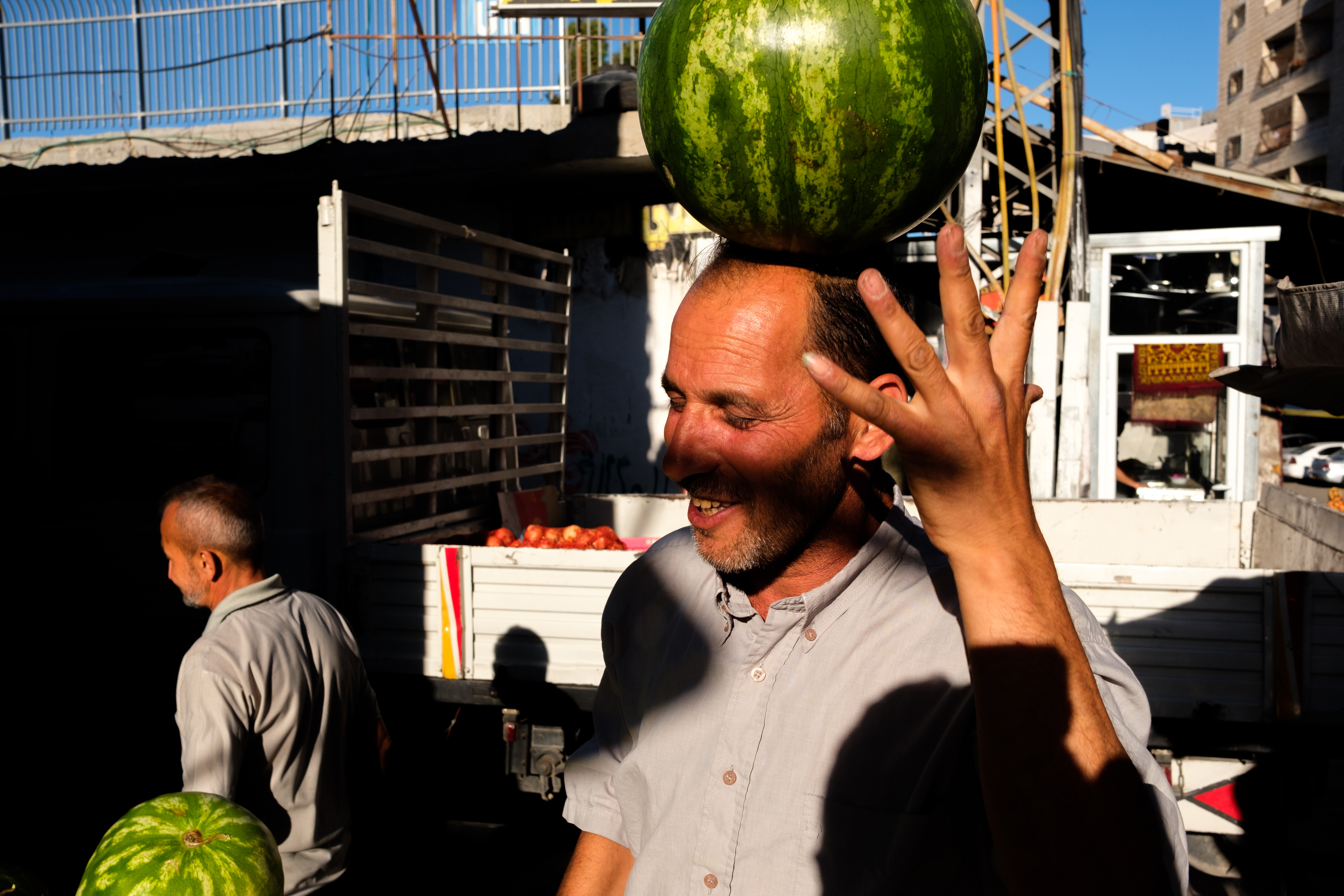

Fleeting Moments
Fleeting Moments
The inevitable fate is our decline
Despite this, the sun will always shine
So simply let go, unwind
Detox, your body, detox your mind
Embrace the eternal now
For this fleeting moment is all we have
Revel in the ups, the downs, what makes you happy, and what makes you sad
To feel is to be human, and is what makes me so glad
For one day, this moment will perish
And that fleeting moment truly will be all you had