Dante Sisofo Blog
11464 ESSAYS & LESSONS
IN THIS COLLECTION
NEWEST FIRST
-
Notes
I don’t like the idea of “work” it’s play Faith and courage in the future no matter what. It’s not superstitious it’s courage When a wolf who is aggressive predator…
-
What is Stoicism?
Stoicism is a philosophy that originated in ancient Greece around the 3rd century BCE, founded by Zeno of Citium. It teaches the development of self-control and fortitude as a means…
-
“He who laughs at himself never runs out of things to laugh at.” – Epictetus
This quote speaks to the wisdom of self-awareness and the ability to find humor in one’s own flaws and mistakes. Embracing this perspective fosters resilience and a positive outlook, turning…
-
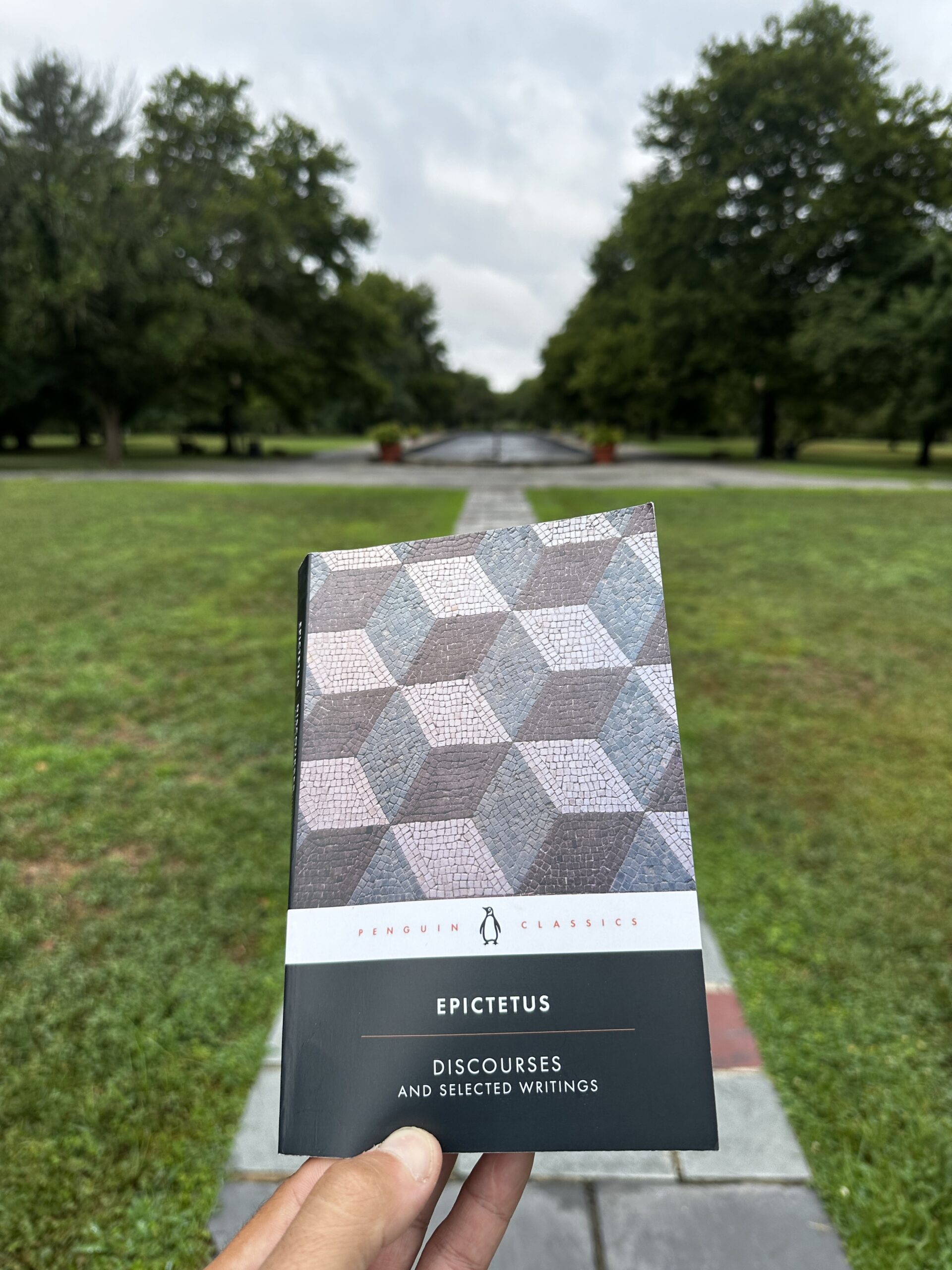
Discourses and Selected Writings by Epictetus
Epictetus, a Greek Stoic philosopher, emphasized the importance of personal freedom, inner peace, and self-discipline. His teachings, as compiled in the Discourses and Selected Writings, offer practical advice on living…
-
Virtue
The word “virtue” comes from the Latin word “virtus,” which means moral excellence, goodness, and righteousness. The root of “virtus” is “vir,” meaning man. In ancient Roman culture, “virtus” was…
-
Light is Information
As photographers, light is our information, our source of power, our medium, that we use to draw upon our canvas, the world itself. When I consider light and the electromagnetic…
-
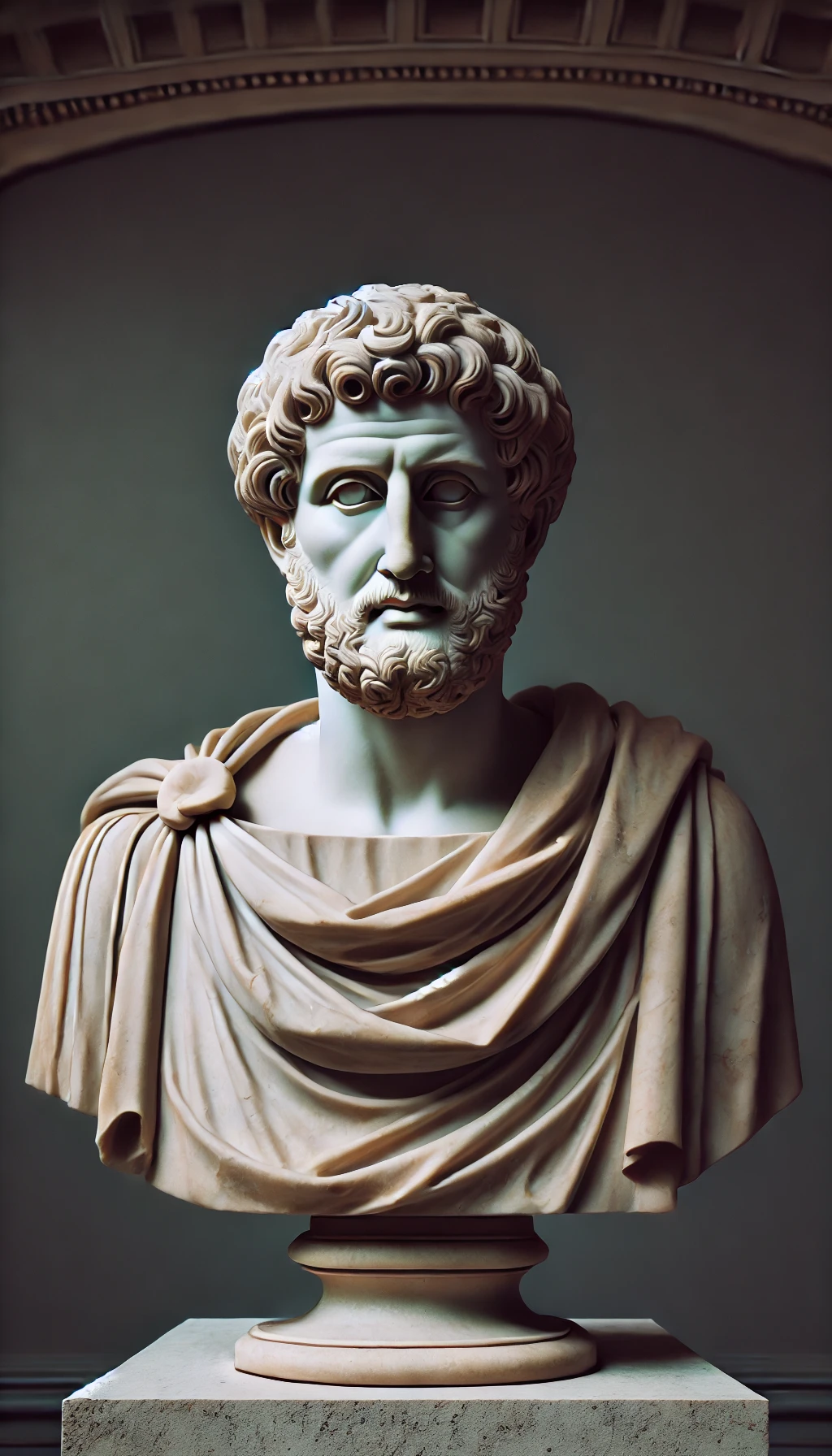
Epictetus
Epictetus was a Greek Stoic philosopher who lived from around 50 AD to 135 AD. Born as a slave in Hierapolis, Phrygia (modern-day Pamukkale, Turkey), he eventually gained his freedom…
-
-
The intersection between order and chaos
When I set out for the day, I make sure to embrace the spirit of play. For life is too short to take it so seriously. Chaos is the name…
-
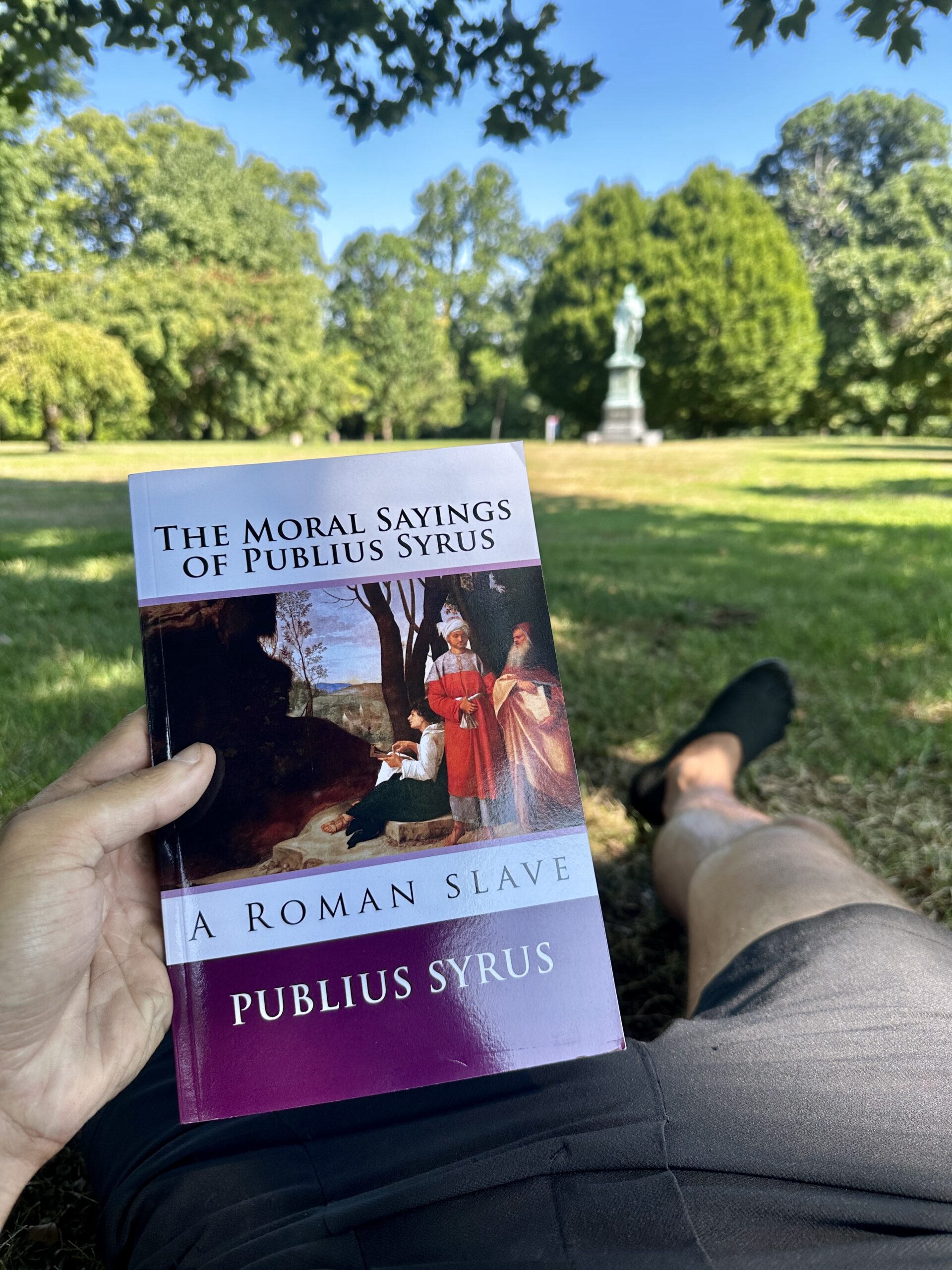
The Moral Sayings of Publius Syrus – A Roman Slave
Publius Syrus, a Roman slave who became a celebrated writer of moral sayings and maxims, is known for his insightful and pithy observations. Here are some of his best moral…
-
POWER
I wake up in the morning with an insatiable lust for power. When you move your body along, the days feel long. However, when you live your life on standby,…
-
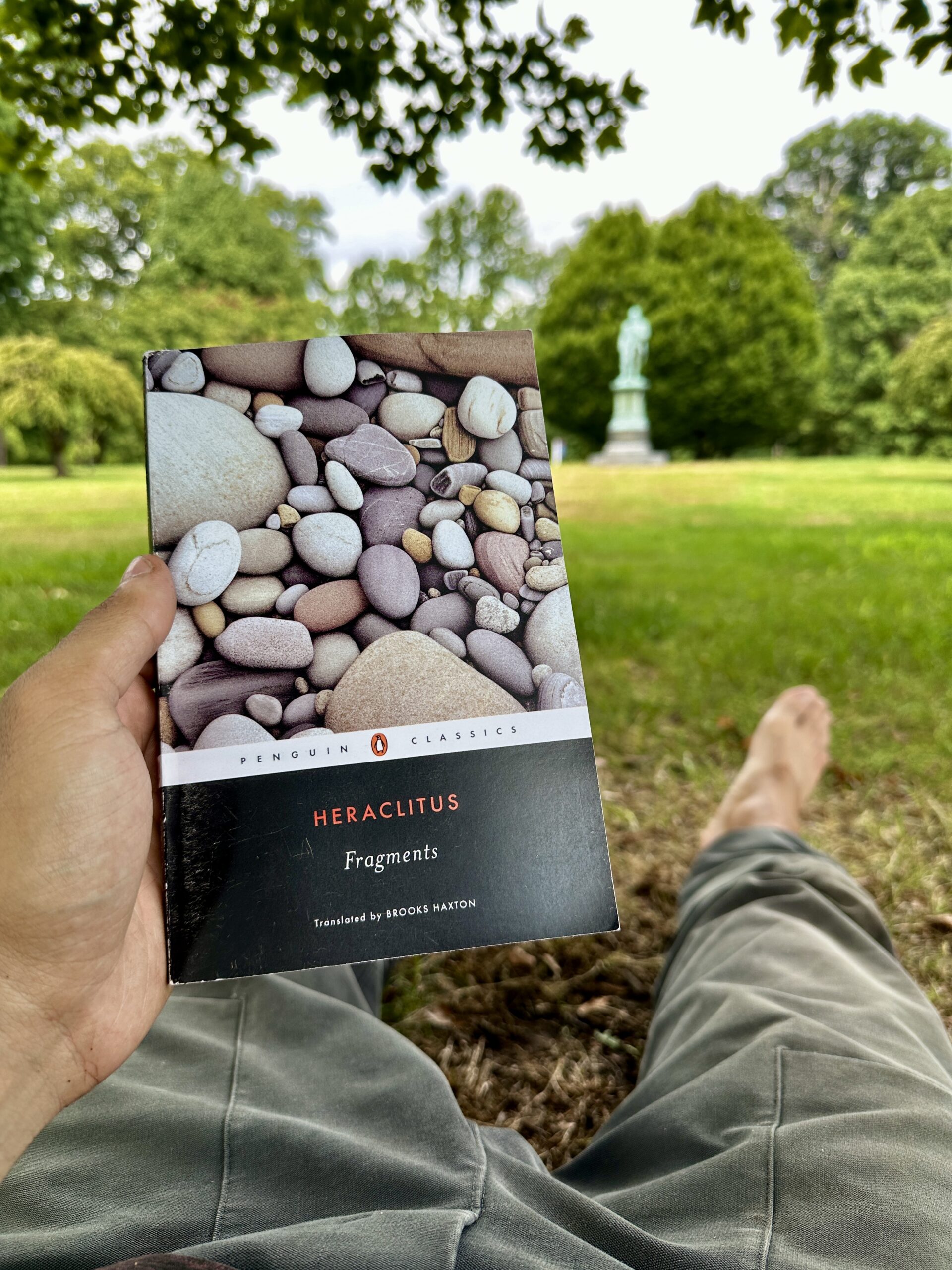
Heraclitus
Here’s a summary of Heraclitus’ fragments: Heraclitus’ fragments are often cryptic, but they collectively underscore his view of a dynamic, ever-changing universe where opposites coexist and interact. Here are some…
-
Thales
Thales of Miletus (circa 624–546 BCE) was a pre-Socratic Greek philosopher, mathematician, and astronomer from Miletus in Asia Minor (modern-day Turkey). He is often regarded as one of the Seven…
-
-
Anachronism
The word “anachronism” comes from the Greek words “ana-” meaning “against” or “back,” and “chronos” meaning “time.” The term essentially translates to “against time,” reflecting the concept of something being…