Ricoh GRIII VS Ricoh GRIIIx for Street Photography
Both fantastic cameras, but for street photography the 28mm on the Ricoh GRIII is way easier. The tighter the focal length, the more precise you have to be. The 40mm is a good challenge though. Maybe 28 mm is the best because it’s just so damn easy.
The ultimate Philadelphia Street photography test
Go to the Reading terminal market on a Saturday afternoon around 12 noon, set your focus distance to 1 meter, and see what you can do in the chaos of lunch rush at the peak hour when most tourists are visiting and you can hardly move around.


How to run a bitcoin node
To run your own Bitcoin node, you’ll need to follow these step-by-step instructions. Running a Bitcoin node helps support the Bitcoin network by verifying transactions and blocks. It also allows you to use Bitcoin in a more decentralized way.
Step 1: Prepare Your Hardware
You’ll need a computer that will be running 24/7. The specifications should include:
- At least 350 GB of disk space (more as the blockchain grows)
- 8 GB of RAM or more
- A reliable internet connection with good upload/download speeds
- A stable power supply
Most people use a dedicated machine, such as a Raspberry Pi, for their Bitcoin node, but you can also use your personal computer.
Step 2: Install the Operating System
If you’re using a Raspberry Pi, download and install the latest version of Raspberry Pi OS. For other systems, ensure that you’re using Linux (e.g., Ubuntu) or Windows.
Step 3: Download Bitcoin Core
Bitcoin Core is the reference software for running a full node.
- Visit the Bitcoin Core website and download the latest version for your operating system.
- Once downloaded, install the software.
Step 4: Configure Bitcoin Core
After installation, you need to configure Bitcoin Core:
- Launch Bitcoin Core and choose where you want to store the blockchain data. If you don’t have enough space on your primary drive, choose an external one.
- Close Bitcoin Core for now so you can tweak the configuration file before starting it for real.
- Find your
bitcoin.conffile:
- On Linux:
~/.bitcoin/bitcoin.conf- On Windows:
C:\Users\YourUserName\AppData\Roaming\Bitcoin\bitcoin.conf- On macOS:
~/Library/Application Support/Bitcoin/bitcoin.confAdd the following lines to
bitcoin.confto customize your node:server=1 txindex=1 prune=550 # only if you want a pruned node to save space maxconnections=40 # number of max peer connections (optional) rpcuser=yourusername rpcpassword=yourpasswordStep 5: Start Bitcoin Core
- Open Bitcoin Core again. It will now begin downloading the blockchain. This can take several days, depending on your internet speed and the power of your machine.
Step 6: Open Network Ports
To allow other nodes to connect to your Bitcoin node, you need to open port 8333 on your router:
- Log in to your router settings.
- Find the “Port Forwarding” section.
- Open port 8333 for your computer’s IP address (find your local IP in the computer’s network settings).
- Save the settings.
Step 7: Verify the Blockchain Sync
Bitcoin Core will show the progress of downloading the blockchain. You can see the synchronization status in the bottom left corner of the window. Once fully synced, your node will be operational.
Step 8: Check Connectivity
To check if your node is connected to the Bitcoin network and working properly:
- In Bitcoin Core, go to the “Peers” tab.
- Make sure you’re connected to several peers (you should see several IP addresses).
- Optionally, you can check your node status using a service like bitnodes.io by entering your public IP.
Step 9: Run Your Node 24/7
To contribute to the Bitcoin network, leave your node running. Ensure it has reliable power and internet access at all times.
Step 10: Optional – Setup Wallet for Your Node
You can also use Bitcoin Core as your personal wallet. It will give you full control over your Bitcoin, allowing you to verify your own transactions without relying on third parties.
- Generate a wallet in Bitcoin Core.
- Keep your private keys secure (you might want to back them up using cold storage or a hardware wallet).
Step 11: Maintenance and Updates
Occasionally, you’ll need to update your Bitcoin Core software to the latest version for performance improvements and security fixes. Keep an eye on the Bitcoin Core website or GitHub for announcements of new releases.
Optional Step: Raspberry Pi Node Setup
If you’re using a Raspberry Pi:
- Use a microSD card with at least 64 GB of space (preferably more) and flash the Raspberry Pi OS.
- Follow steps similar to above to install Bitcoin Core and configure the node.
- Consider using a hard drive or SSD to store the blockchain if the microSD card doesn’t have enough space.
By running a Bitcoin node, you contribute to the decentralization of the Bitcoin network and can verify your own transactions without trusting third parties!
Stop thinking physical
In terms of photography, having prints made, and a book is cool and all, but what if you can store your work in a decentralized way utilizing modern technology that can truly stand the test of time.
Indestructible photography archive?
How to create a decentralized archive
Setting up a decentralized archive for your photography involves several steps to ensure that your files are securely stored, easily accessible, and properly linked to the blockchain. Here’s a step-by-step guide to help you get started:
1. Choose a Decentralized Storage Platform
The first step is selecting the decentralized storage network that best suits your needs. Some popular options include:
- Arweave: A permanent data storage solution that allows you to pay once and store your data indefinitely. It’s ideal for archiving work over long periods.
- Filecoin: Works in tandem with IPFS (InterPlanetary File System), offering decentralized, verifiable, and scalable file storage.
- IPFS: A decentralized network for storing and sharing files where content is addressed by its hash (a unique identifier). However, IPFS doesn’t offer guaranteed permanence without pairing it with Filecoin or other pinning services. Recommended for you: Arweave for permanent storage or IPFS/Filecoin for scalable, decentralized solutions.
2. Create a Wallet
To interact with decentralized storage platforms, you’ll need a cryptocurrency wallet to manage payments and transactions. Here’s how to get started:
- Install a Crypto Wallet: Use wallets such as Metamask, Phantom, or a native wallet for the platform you’re using (e.g., ArConnect for Arweave).
- Purchase Cryptocurrency: Acquire the cryptocurrency native to the platform. For example, Arweave uses $AR, while Filecoin uses $FIL. You can buy these on popular exchanges like Coinbase or Binance and then transfer them to your wallet.
3. Upload Your Files
After setting up your wallet and funding it with the necessary cryptocurrency, you can start uploading your photography archive. The process will depend on the platform you choose:
For Arweave:
- Install the ArConnect browser extension for interacting with Arweave.
- Visit a platform like ArDrive (a user-friendly interface for Arweave storage).
- Connect your wallet, upload your files, and pay the one-time storage fee. Your photos will now be permanently stored on the blockchain. For IPFS/Filecoin:
- Use a service like NFT.Storage or Pinata to upload your files to IPFS.
- You will receive a unique CID (content identifier) for each file, which can be used to retrieve the file anytime from the IPFS network.
- For guaranteed permanence, pair IPFS with Filecoin storage to ensure long-term storage.
4. Link to the Blockchain (Optional but Recommended)
If you want to add an extra layer of security, transparency, and ownership verification, you can mint NFTs (non-fungible tokens) linked to your uploaded files. Here’s how:
- Choose an NFT platform like OpenSea, Rarible, or Zora (most of these work with Ethereum).
- Mint NFTs by linking your uploaded files (e.g., the Arweave or IPFS file links) to the NFT’s metadata.
- Set up the ownership rules, including royalties or future use rights if desired.
- Publish your NFT collection to a marketplace or just keep them stored on the blockchain.
5. Create a Public Gateway (Optional)
To ensure easy public access to your photography archive, you can create a gateway that allows users to view your files. For IPFS, use a gateway service (e.g., ipfs.io) that translates CIDs into accessible URLs.
Alternatively, if you are using Arweave, your files are directly accessible through URLs generated by the platform (e.g.,
https://arweave.net/your-file-hash).6. Promote and Share Your Archive
After setting up your archive, you can:
- Share the URLs to your images or NFTs.
- Integrate your archive with your website (e.g., embed IPFS or Arweave links).
- Use social media or platforms like Twitter, Instagram, or Medium to promote your archived work and ensure its visibility to future audiences.
Cost Considerations:
- Arweave: One-time payment based on file size (relatively affordable for small JPEGs like yours).
- Filecoin: Pay-as-you-go for scalable storage.
- IPFS: Free for short-term storage, but you need a service to ensure long-term availability.
Would you like to dive deeper into any of these steps or need specific recommendations on which platform to choose?
Is it possible for me to upload my entire photography archive to the Blockchain so that it will be seen 300 years from now?
Yes, it is possible to upload your photography archive onto the blockchain to preserve it for future generations, potentially for hundreds of years. Blockchain technology offers an immutable, decentralized, and secure way to store information, ensuring that your work remains accessible and verifiable for centuries. Here are a few methods you could consider for uploading your photography archive:
- Decentralized Storage Solutions: Platforms like Arweave, Filecoin, or IPFS (InterPlanetary File System) allow you to store files in a decentralized manner. They provide a permanent and resilient storage network, ensuring your photography archive remains accessible over time.
- NFTs (Non-Fungible Tokens): You can create NFTs for your photos, which are unique tokens stored on a blockchain (like Ethereum). The metadata of each image (such as ownership, rights, and file location on a decentralized storage network) can be linked to these NFTs. Platforms like OpenSea, Rarible, or Foundation allow you to mint and sell NFTs of your photography.
- Custom Blockchain or Sidechains: If you want full control over how your archive is stored, you could create a custom blockchain or sidechain specifically for archiving your photography. This approach gives you complete control but requires technical knowledge and resources to maintain.
The key challenge with blockchain storage is scalability and cost. Storing large amounts of high-resolution images directly on a blockchain can be costly and inefficient, which is why decentralized storage platforms (like Arweave or Filecoin) are typically used in conjunction with the blockchain.
By combining these methods, your archive could remain accessible for hundreds of years, with blockchain serving as the permanent record and decentralized storage solutions maintaining the files. Would you be interested in a specific platform for this purpose?
Athens Financial Decline
Athens added copper to its gold coins during a time of financial crisis and decline in the purity of its currency, which can be traced back to the late 5th century BCE, particularly around the period after the Peloponnesian War. This practice was part of a broader trend across the ancient Greek world where states debased their currency by reducing the amount of precious metal (gold or silver) and substituting it with less valuable metals like copper.
Here’s the context:
Financial Strain After the Peloponnesian War
Athens had been heavily involved in costly military campaigns throughout the Peloponnesian War, and the Sicilian Expedition (415-413 BCE) was especially ruinous. The defeat by Sparta in 404 BCE, followed by the imposition of harsh terms by Sparta, left Athens financially crippled. The economy was severely weakened, and the state’s treasury was depleted, so Athens had difficulty maintaining its military, paying public officials, and restoring its infrastructure.
Debasement of Currency
To address its financial troubles, Athens began issuing gold coins that were not made of pure gold but rather debased with copper. This practice, known as alloying, involved mixing copper into the gold to stretch the amount of precious metal in circulation. While this allowed Athens to produce more coins and meet short-term financial obligations, the long-term effect was a loss of confidence in the currency.
The Athenian public and foreign traders could tell that the coins had less intrinsic value, which led to inflation and destabilization of the economy. By reducing the gold content, Athens essentially diluted the purchasing power of its currency.
The Role of the Athenian Mint
The Athenian mint, responsible for producing coins, likely faced pressure from the state to debase the currency as a means to quickly replenish public coffers. At that time, Athens’ coinage was widely accepted across the Mediterranean due to the city’s political and economic power, especially the famous “Athenian owl” silver tetradrachms. However, as gold coins with higher copper content entered the economy, this reputation was undermined.
Broader Economic Impact
The addition of copper to gold coins reflected not just a specific policy but the broader economic decline of Athens. As the city-state lost its naval empire and political dominance following the Peloponnesian War, its economy became less resilient. Foreign powers, such as Persia and later Macedon under Philip II and Alexander the Great, increasingly exerted influence over Greece, further weakening Athenian autonomy and its ability to control its currency.
In conclusion, the decision to add copper to gold coins in Athens was a desperate economic measure in response to war debts and a depleted treasury, signaling the financial decline of what was once the most powerful city-state in Greece.
Relate this to modern day USA
The debasement of Athens’ currency by adding copper to gold coins during a time of crisis can be seen as a historical parallel to modern economic practices in the United States, particularly in the context of inflation, monetary policy, and the broader challenges of managing a complex, globalized economy.
Debasement of Currency and Inflation
In ancient Athens, adding copper to gold coins diluted their value, which led to inflation and decreased public confidence in the currency. In modern terms, this is akin to the process of inflation caused by increasing the money supply without a corresponding increase in economic productivity.
In the United States, inflationary pressures often stem from expansive monetary policies, especially during times of crisis. For example, the Federal Reserve’s quantitative easing program (which began in response to the 2008 financial crisis and reemerged during the COVID-19 pandemic) involved large-scale purchases of government bonds and mortgage-backed securities to inject liquidity into the economy. This, in turn, increased the money supply, much like Athens increased the quantity of its coins by diluting their precious metal content.
While these modern policies are designed to prevent economic collapse, they can also lead to inflation, where the value of money decreases relative to goods and services, much like the debased Athenian coins lost their purchasing power.
National Debt and Deficit Spending
Athens’ currency debasement was, in part, a response to the massive debts incurred from war, notably the Peloponnesian War. Similarly, the U.S. has accumulated substantial national debt due to military spending, social programs, and responses to economic crises. As of 2024, the U.S. national debt has surpassed $30 trillion, leading to concerns about the sustainability of deficit spending.
Both Athens and modern America relied on fiscal policies that, while effective in the short term, had longer-term consequences. In Athens, the use of debased currency was a desperate attempt to maintain political and military operations, while in the U.S., reliance on debt-financed spending and easy monetary policy can lead to long-term economic instability.
Public Confidence and Global Influence
In Athens, the debasement of currency eroded public confidence and damaged the city-state’s reputation as an economic power. Similarly, the U.S. faces challenges to its global economic standing. The U.S. dollar, much like the Athenian coinage in the ancient world, has long been a global reserve currency, used in international trade and held by foreign governments as a store of value. However, with rising inflation, a growing national debt, and increasing competition from other major economies (such as China), the global confidence in the U.S. dollar could be challenged.
While the U.S. dollar remains strong, the economic challenges faced by the U.S.—including inflation, high debt levels, and dependence on borrowing—mirror some of the pressures that led to Athens’ financial decline. If these issues are not managed effectively, they could lead to a loss of global influence, just as Athens’ economic and political power waned after its monetary crisis.
Socio-Political Instability
The internal political strife Athens experienced during its financial decline, with oligarchic coups and political turmoil, also has echoes in modern America. In times of economic stress, political divisions tend to deepen, leading to instability. In recent years, the U.S. has experienced heightened political polarization, particularly in response to economic inequality, government spending, and the perceived mishandling of crises like the COVID-19 pandemic.
Much like the internal strife that weakened Athenian democracy, these divisions can undermine the ability of a nation to effectively govern itself and address systemic issues.
Summary
In both ancient Athens and modern America, financial crises led to the debasement of currency and inflation. Athens added copper to its gold coins, while the U.S. has expanded the money supply through mechanisms like quantitative easing and deficit spending. In both cases, these measures were intended to address short-term problems but carried long-term risks, such as inflation, loss of public confidence, and diminished global standing.
As Athens’ overextension in war and poor financial management contributed to its decline, modern America faces similar challenges in balancing its economic policies, national debt, and maintaining its position as a global superpower. The lessons from Athens serve as a cautionary tale about the potential consequences of mismanaging economic crises and losing control over public trust in the currency.


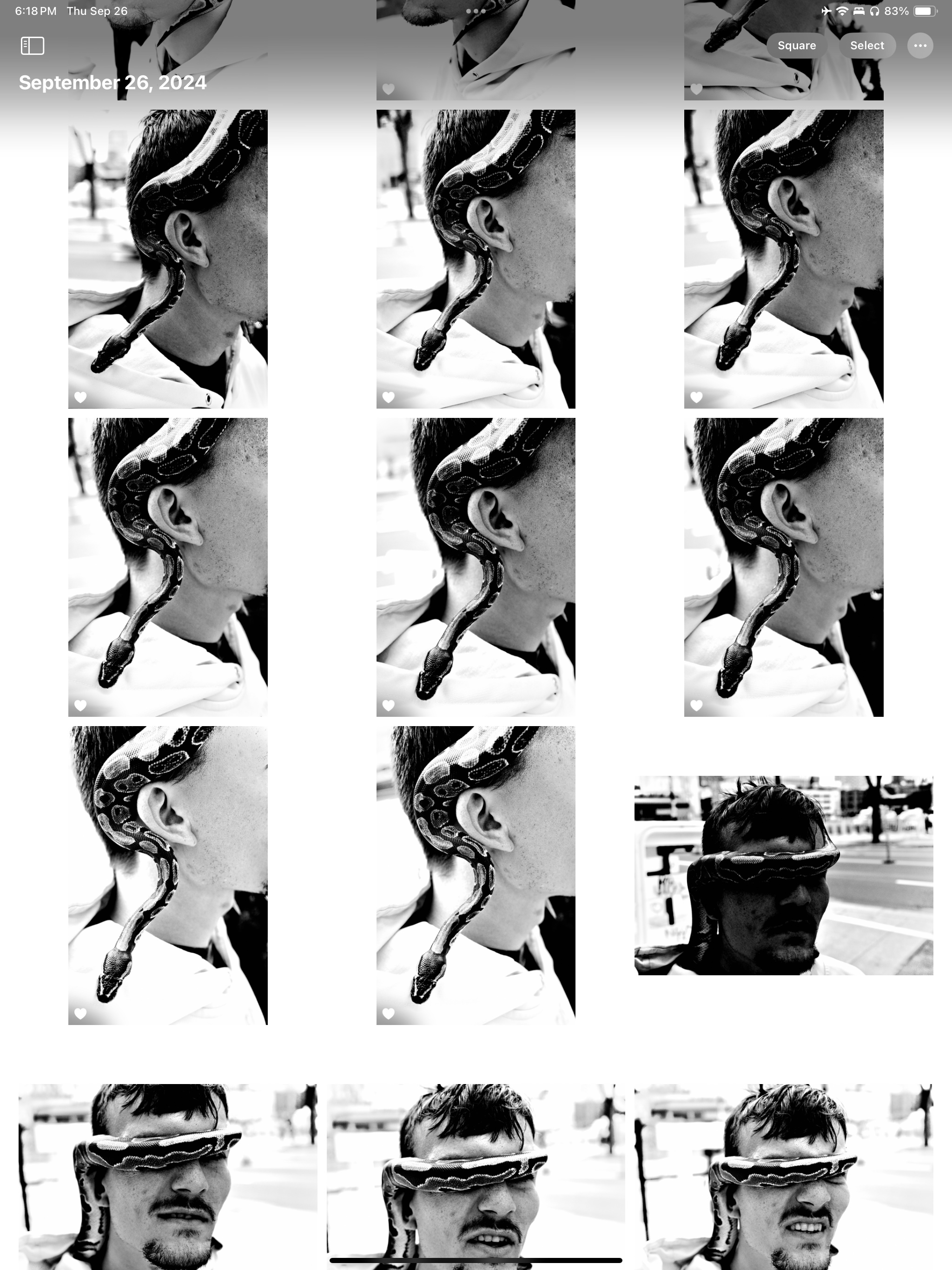


Create something from nothing
Create Something from Nothing
Photography is a superpower, and the power that the individual with a camera possesses is actually quite strong and profound when you think about it:
You can create a new world in a fraction of a second.
When I’m on the street, I’m not just looking at the world for what it is, but what it could be. What this means is, when I’m looking at life, I’m honing in on the details and the multifaceted complexities of life. Whether it’s the bark on a tree, a cigarette in a puddle, a building blooming so tall, or the interaction between two strangers on the corner, everything is photographable.

Go Limitless
Don’t limit yourself to photographing one thing or in one way. By approaching photography and its endless array of things, people, and places, you give yourself the ability to make something from nothing. This may be the ultimate goal of photography, when you think about it—to create something from nothing.
Drawing with Light
Ultimately, photography is simply drawing with light. We wield light as our medium, and it is ever-changing. No matter how many times you visit the same location or walk the same lane, the light will always be different, with nuances and gradual changes. The fact that light is our medium is the superpower. Light is ever-abundant, despite the conditions, whether soft, harsh, golden hour, sunrise, or sunset. When you focus on light as the primary source of your medium and open yourself to the possibility of creating something from light on a surface, the world becomes your canvas.
The World is a Canvas
With the world as our canvas, you are no longer bound to a particular location to practice street photography. It doesn’t matter if you’re in the most bustling city, such as New York or Philadelphia, or photographing in an empty parking lot or an abandoned small town. Street photography is an ethos, a way of approaching life; it’s a philosophy for how to photograph and see the world. Photography is not limited to capturing candid moments of people. Try honing in on the notion of treating the world as a canvas, and see where that leads you. Try using the macro function on your camera, seeing the world from a higher vantage point, where you’re the ultimate creator, looking at the details and patterns on a leaf like a city laid out on a grid.
When you photograph, you’re not just capturing a moment—you’re distilling the essence of life, abstracting it, and giving meaning to the mundane. You create something from nothing, shaping reality with the click of a shutter. This is the superpower of photography: the ability to create new worlds, to draw with light, and to see infinite possibilities where others see none.
So, embrace your role as a creator. The world is your canvas, and with every photograph, you’re painting your vision of life. There are no limits—only the ones you impose on yourself.
Go out and create.


God Beyond Being

Lecture Notes: God and Our Relation to God
Introduction
- Topic: God and our relation to God.
- Primary Source: The Bible.
- Central Questions:
- What is ultimate reality?
- What is our relationship to that reality?
- Thesis: We find joy and purpose when rightly related to the true God. Life becomes disordered when we are out of right relationship with Him.
Understanding the Bible
- The Bible as a Collection of Texts:
- The Bible is not a single text but a collection of texts with various genres.
- Includes poetry, mythological literature, historical accounts (ancient, not modern history), biographies, letters (epistolary), and apocalyptic writings.
- Approach different genres with different interpretive methods.
- Not Everything in the Bible is What it Teaches:
- Quote from William Placar: “Not everything that’s in the Bible is what the Bible teaches.”
- Look for overall themes, patterns, and trajectories in the Bible.
- Example: Slavery is mentioned, but abolitionist movements rooted in biblical themes suggest that the Bible does not advocate for slavery.
- Reading the Bible Within Tradition:
- Compare the Bible to reading Shakespeare: You wouldn’t hand a person Hamlet without any context.
- The Bible should be read within the grand interpretive tradition of the Church.
Encountering God in Exodus 3:14
- Moses and the Burning Bush:
- Context: Moses’ life of privilege in Egypt, his exile after killing an Egyptian, and his time in the desert.
- Importance of purification before encountering God.
- Moses encounters God in the form of the burning bush, which symbolizes God’s presence that does not consume.
- God’s Name: “I Am Who I Am”:
- Moses asks for God’s name, seeking control through naming.
- God’s response: “I Am Who I Am” signifies that God is not a being among many, but Being itself.
- God’s reality transcends ordinary categories and names.
- Theological implication: God is Ipsum Esse, being itself, as developed by Thomas Aquinas.
The Nature of God
- God as the Ground of All Being:
- Argument from contingency: All contingent things depend on something else, ultimately leading to a necessary being whose essence is existence itself—God.
- God’s Simplicity:
- God has no distinction between essence and existence—His essence is existence.
- Anti-grasping name: We cannot fully understand or grasp God’s simplicity.
- God’s Infinity:
- God is infinite, meaning there are no borders or limits to God’s being.
- Anti-grasping: God cannot be defined or limited by human categories.
- God’s Unity:
- There cannot be two or more infinite, unconditioned beings.
- “The Lord your God is Lord alone!” (Deuteronomy 6).
- God’s Self-Sufficiency:
- God does not need the world to exist, but sustains it out of His own will.
God’s Presence and Power
- Omnipresence:
- God is everywhere because He sustains all existence.
- God is in all things “by essence, presence, and power,” as Aquinas says.
- Omnipotence:
- God’s power is not just strength but the sustaining power that holds all things in existence.
- Omniscience:
- God knows the world into existence. His knowledge does not depend on observing but on creating.
Creation and Our Relationship to God
- Creation from Nothing (Ex Nihilo):
- The world is created not from violence or struggle but from God’s free act of will.
- There is nothing standing between us and God; we are directly related to Him as creatures.
- Interconnectedness of All Creation:
- All beings are ontological siblings, created and sustained by the same divine source.
- Contemplative Prayer:
- Finding the place in ourselves where we are being created by God leads to peace and a right relationship with God.
Conclusion: Living in Right Relationship with God
- Two Sides of the Spiritual Journey:
- God is both intimately close and utterly beyond our grasp.
- We must live in the balance of not trying to control God while also not running from Him.
- Psalm 139 Reflection:
- “Where can I go from your presence? If I ascend to heaven, you are there; if I make my bed in Sheol, you are there.”
- We cannot avoid God, nor can we control Him. Our task is to live in love with God, surrendering control.
Rozou Philadelphia?

The Rozou Project is a street photography initiative that brings art back into public spaces, particularly focusing on large-scale projections of street photography. It emphasizes showcasing unposed, candid moments from everyday life directly in the environment where they were captured. By projecting the photos onto walls, buildings, or other outdoor spaces, Rozou connects street art with its natural setting, creating a unique dialogue between the art and its surroundings.
The project often involves contributions from various photographers, such as Tadashi Onishi, and focuses primarily on black-and-white images that highlight the raw, spontaneous nature of street photography. The public nature of these exhibitions encourages a broad audience to engage with the art form in a casual, yet immersive manner, merging everyday city life with visual storytelling oai_citation:3,Projecting CANDID Street Photography to the public | Rozou Project feat. Tadashi Onishi – YouTube oai_citation:2,Tadashi Onishi: Capturing Tokyo’s Vibrant Nightlife — about photography oai_citation:1,5 Tokyo-Based Photographers That Capture Every Angle of the City | Tokyo Weekender.
How could Philadelphia start mining bitcoin?

For Philadelphia to start mining Bitcoin, it would need to consider several key factors to ensure the success and sustainability of such an endeavor. Here’s a breakdown of how the city could approach Bitcoin mining:
1. Access to Energy Resources
- Sourcing Renewable Energy: Bitcoin mining requires significant energy consumption. Philadelphia could leverage renewable energy sources, such as solar power, wind, and hydropower, especially from nearby areas like the Susquehanna River. Partnering with renewable energy providers can help mitigate environmental concerns.
- Optimizing Waste Energy: The city could explore using excess energy from local industries or waste-to-energy plants to power mining operations, increasing efficiency without straining the grid.
2. Public-Private Partnerships
- Collaborating with Tech Companies: Philadelphia could partner with Bitcoin-focused companies to bring expertise and infrastructure. Firms specializing in blockchain technology and mining operations could help design and implement the city’s mining project.
- Incentives for Businesses: The city could offer tax breaks or incentives to private businesses that set up Bitcoin mining operations, driving investment and innovation in this sector.
3. Regulatory Framework
- Establishing a Legal Structure: Philadelphia would need to develop local regulations that support cryptocurrency mining while ensuring that activities are compliant with federal and state laws. This includes clear rules on energy usage, taxation, and potential environmental impacts.
- Encouraging Decentralized Participation: By making it easy for individuals and small businesses to participate in mining, Philadelphia could build a distributed network of miners that benefit the local economy.
4. Infrastructure Investment
- Building Data Centers: Bitcoin mining relies on powerful computing hardware, which generates a lot of heat and requires substantial cooling. Philadelphia would need to invest in or attract data center infrastructure that can handle the hardware demands of mining.
- Cooling Solutions: Given the heat generated by mining equipment, Philadelphia could look into innovative cooling systems, including liquid cooling and immersion cooling technology, to reduce costs and improve energy efficiency.
5. Community and Education Programs
- Local Job Creation: Mining operations require skilled labor to manage hardware and software systems. The city could offer education programs through local universities and tech schools to train residents in blockchain technology and data center management, creating new job opportunities.
- Blockchain Incubators: Philadelphia could establish blockchain incubators or accelerators to support startups and innovators in the cryptocurrency space, fostering a local ecosystem for blockchain technologies.
6. Sustainability and Public Opinion
- Promoting Environmental Sustainability: Given concerns about the carbon footprint of Bitcoin mining, Philadelphia should focus on sustainable practices. The city could publicly commit to using green energy for its mining operations, potentially positioning itself as a leader in sustainable Bitcoin mining.
- Transparency with Residents: As with any large-scale initiative, gaining public support is crucial. The city should keep residents informed about how Bitcoin mining could benefit the economy, through lower taxes, job creation, and innovation.
By addressing these areas, Philadelphia could position itself as a pioneer in municipal Bitcoin mining, potentially generating revenue for city projects while supporting the growth of a digital economy.
What would be Philadelphia’s best option?
The best option for Philadelphia to mine Bitcoin would likely be a combination of renewable energy sources with a focus on hydropower, supported by other complementary energy solutions. Here’s why hydropower, paired with a diversified renewable energy strategy, would work well:
1. Hydropower as a Primary Source
- Reliable and Renewable Energy: Hydropower from the Delaware and Schuylkill Rivers offers a reliable, sustainable, and renewable energy source. Unlike solar and wind, which are intermittent, hydropower can provide a steady, consistent flow of electricity, making it ideal for the energy-intensive needs of Bitcoin mining.
- Existing Infrastructure Potential: Philadelphia has access to existing water management infrastructure, such as historical sites like Fairmount Water Works, which could be modernized for hydropower generation. This reduces the need for massive new construction and lowers upfront costs.
- Low Environmental Impact: Hydropower has a relatively low carbon footprint and environmental impact, especially if existing facilities are used, making it more sustainable compared to fossil fuels.
2. Supplementing with Solar and Wind Power
- Diversification for Energy Security: While hydropower can serve as the backbone of energy production, diversifying with solar and wind energy will provide additional capacity during periods of peak energy demand. Philadelphia receives ample sunlight during summer months, and offshore wind farms along the nearby coast could also contribute.
- Combining with Energy Storage: Solar and wind can be unpredictable, but when combined with battery storage systems (or pumped storage hydropower), the city could store excess energy for use during periods of high demand or when hydropower output is lower.
3. Energy Efficiency through Water Cooling
- Cooling Mining Operations: The city can optimize the energy efficiency of mining operations by using water cooling systems, which are far more efficient than air cooling. By integrating water from nearby rivers or urban water systems, Philadelphia could reduce the electricity needed to cool mining rigs, further lowering operational costs.
- Heat Recovery for Other Uses: Mining operations generate a lot of heat. By using water to cool equipment, the excess heat could be repurposed to provide heating for nearby buildings, creating a closed-loop system that improves overall energy efficiency.
4. Public-Private Partnerships and Smart Grid Integration
- Involving Tech Companies and Energy Providers: Partnering with technology firms that specialize in Bitcoin mining and renewable energy infrastructure could help Philadelphia adopt best practices and attract investment. Large-scale mining operations require significant expertise, and these partnerships could lower the city’s risk while bringing in experienced players to build and manage the infrastructure.
- Smart Grid Implementation: To ensure efficient energy use, Philadelphia could invest in smart grid technology that dynamically allocates electricity between the city’s grid and Bitcoin mining operations. This ensures that energy is prioritized for essential public services while excess power is used for mining.
5. Policy and Incentive Framework
- Energy Credits and Incentives: The city could offer incentives for businesses and institutions that contribute to the renewable energy infrastructure, such as tax credits for hydropower investments or for those who purchase Bitcoin mined using renewable energy.
- Municipal Involvement: Philadelphia could set up a municipal Bitcoin mining operation that reinvests profits into public services. By positioning itself as a leader in sustainable Bitcoin mining, the city could leverage mining revenues for city infrastructure, education, or environmental initiatives.
Why This Combination is Ideal for Philadelphia:
- Economic Sustainability: Hydropower provides cost-effective and stable energy, reducing the volatility associated with Bitcoin mining costs. This can make Philadelphia a competitive hub for Bitcoin mining without compromising public utilities or driving up energy prices.
- Environmental Leadership: By focusing on renewable energy, Philadelphia can minimize its carbon footprint and become a leader in sustainable cryptocurrency mining, which could attract positive attention from both the tech industry and environmentally conscious investors.
- Job Creation and Innovation: This approach would create jobs in the renewable energy sector, tech, and infrastructure development while also spurring innovation in blockchain technology.
In conclusion, hydropower, supplemented with solar and wind, and integrated with smart cooling solutions, would be the best option for Philadelphia to sustainably mine Bitcoin while balancing economic growth, environmental concerns, and energy efficiency.